By James Whitaker · Published 21 October 2026 · 3 min read
The Health and Safety Executive has issued formal enforcement notices to 38 per cent of engineered stone businesses inspected during a recent targeted campaign. According to an October 20 update, inspectors visited more than 400 sites across Great Britain to assess compliance with dust control regulations. The regulator has taken decisive action to halt unsafe practices.
Background
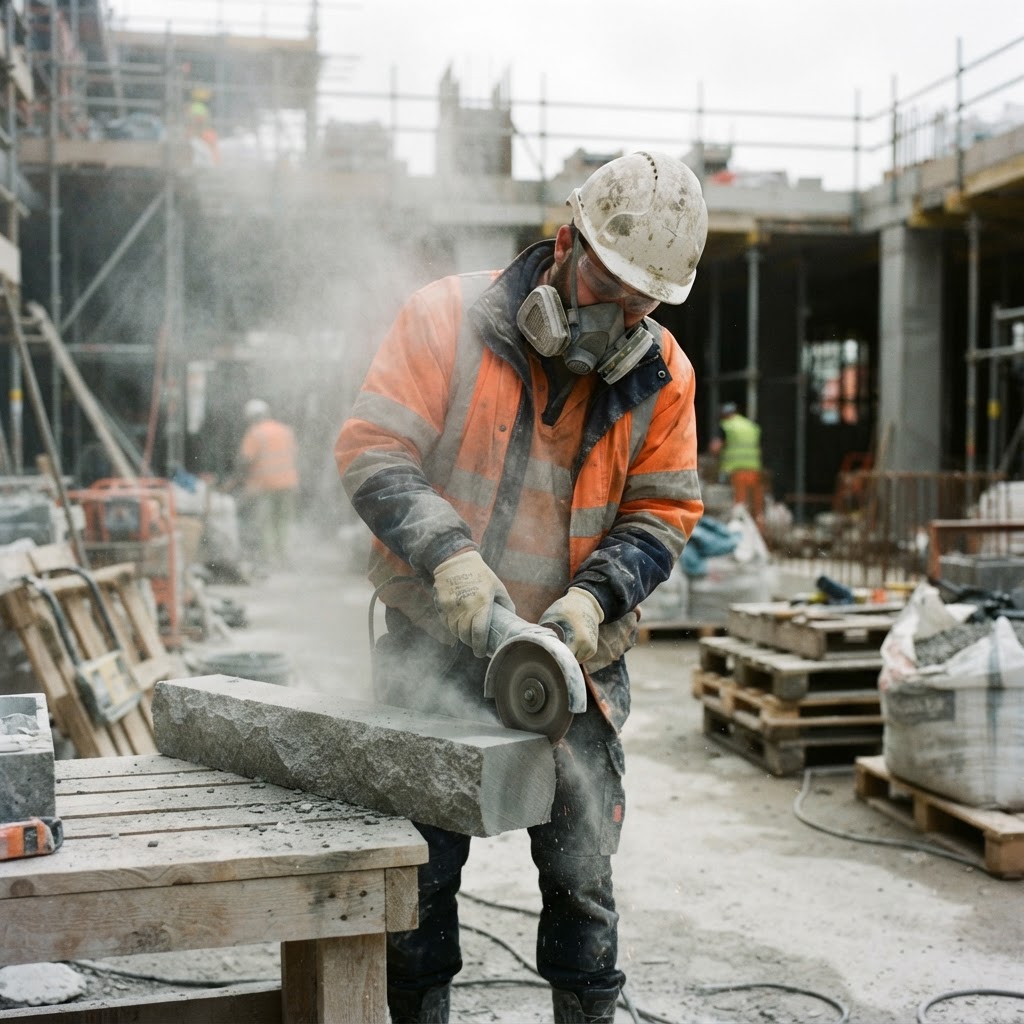
The campaign began earlier this year to address the severe health risks associated with engineered stone. The material is widely used for kitchen worktops and bathroom surfaces across the UK construction and fit-out sectors. Cutting and grinding this stone produces exceptionally high levels of respirable crystalline silica. Exposure to this fine dust can cause silicosis, a fatal and irreversible lung disease. Earlier in the year, the HSE issued prohibition notices to four companies, ordering them to stop work immediately due to dangerous dry-cutting practices.
Industry implications
The high rate of enforcement action highlights widespread non-compliance in the sector. A further 18 per cent of businesses received written advice from inspectors. This means more than half of the inspected sites failed to meet basic health and safety standards under the Control of Substances Hazardous to Health Regulations 2002. The financial and operational impact for non-compliant firms is significant, as enforcement notices often require immediate cessation of specific work activities until costly safety upgrades are implemented.
What contractors should do now
Employers must immediately review their dust control measures and risk assessments. Wet cutting methods and local exhaust ventilation systems are essential baseline controls. Workers must also be provided with appropriate respiratory protective equipment. Site managers must ensure that face-fit testing is conducted for all staff wearing tight-fitting masks. Relying solely on masks without controlling dust at the source is a direct breach of HSE guidelines.
Analysis
The 38 per cent enforcement rate is exceptionally high for a targeted HSE campaign. It suggests that previous warnings about dry-cutting engineered stone have been ignored by a significant portion of the industry supply chain. The regulator is clearly taking a zero-tolerance approach to silica dust exposure. This mirrors recent enforcement trends seen in the wider construction sector regarding asbestos and wood dust.
What happens next
HSE inspectors will continue to visit engineered stone businesses and construction sites throughout the remainder of the year. Companies that fail to comply with enforcement notices face criminal prosecution and unlimited fines. Main contractors should expect increased scrutiny of their supply chains and must verify the safety credentials of any subcontractors installing engineered stone.
Sources
- HSE Reports Enforcement Notices At 38% Of Inspected Engineered-Stone Businesses — Foresight
- Businesses ordered to stop work with engineered stone after failing safety inspections — Health and Safety Executive