By James Whitaker · Published 15 November 2026 · 3 min read
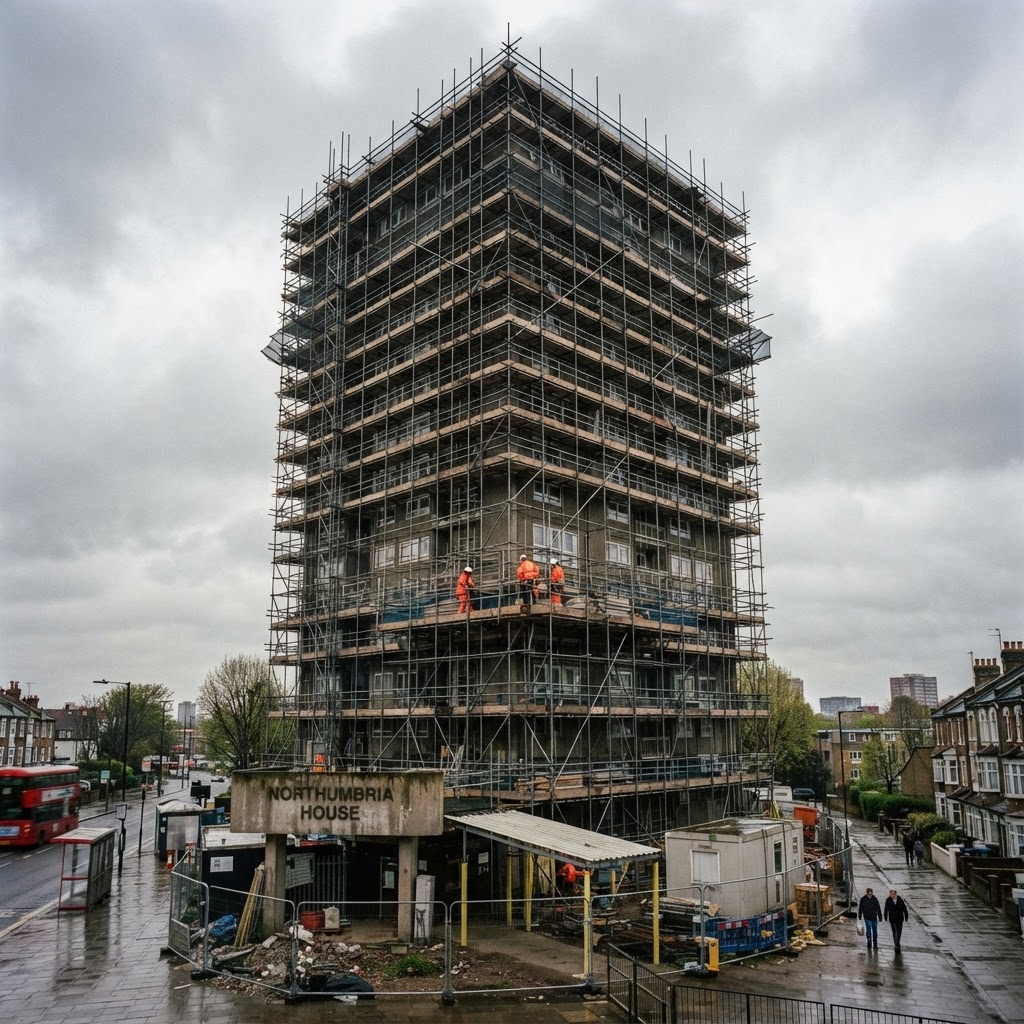
Portsmouth City Council has delayed the award of its £120m higher-risk building safety framework until January 2027, citing poor bid quality and longer than expected Building Safety Regulator validation periods. The delay pushes back critical remediation work on high-rise residential blocks across the city.\n\n## Background\n\nThe local authority initially went to market in May 2026, planning to appoint up to seven contractors by August. This was later pushed to October before the latest delay. The procurement drive follows a January 2025 regulatory downgrade, where the Regulator of Social Housing handed Portsmouth Homes a C3 rating for serious failings. These failings included a lack of up-to-date stock condition surveys and overdue fire risk assessment actions. The council subsequently launched a remediation programme, but found early access to specialist contractors challenging. According to a report by director of building services James Hill, contractors were able to be highly selective about the opportunities they pursued. A more strategic procurement approach was sought to secure sufficient contractor capacity, maintain competition and support the efficient delivery of multiple projects.\n\n## Industry implications\n\nThe delay highlights a growing capacity bottleneck in the higher-risk building sector. The council noted that completing a strict quality assurance process is essential to ensure appointed firms have the competence and capacity for safety-critical work. Furthermore, the council explicitly blamed the Building Safety Regulator for affecting forecast construction start dates. The council report stated that validation and determination periods have been longer than assumed in the original programme. This indicates that regulatory friction is actively slowing down municipal remediation pipelines.\n\n## What contractors should do now\n\nFirms bidding for higher-risk building frameworks must ensure their tender submissions explicitly demonstrate competence and capacity under the Building Safety Act. Contractors should review their quality assurance documentation and ensure they can evidence the specific skills required for complex remediation. Project planners must also build longer lead times into their schedules to account for extended Building Safety Regulator approval windows.\n\n## Expert view\n\nThe situation in Portsmouth is a clear indicator of wider market conditions. Local authorities are under immense pressure to remediate unsafe stock, but they are struggling to find contractors who can meet the stringent new competence thresholds. The fact that bids required further development suggests a disconnect between client expectations and contractor readiness. Meanwhile, the Building Safety Regulator is clearly dealing with a backlog, which is having a cascading effect on local government procurement timelines.\n\n## What happens next\n\nPortsmouth City Council expects to award the framework contracts in January 2027. The framework will establish four delivery pipelines, appointing up to four primary contractors and three reserve firms. The industry will be watching closely to see if the Building Safety Regulator can accelerate its validation processes in the new year to prevent further delays to critical fire safety works.
Sources
- Quality concerns delay £120m building safety framework — Construction News