By Sarah Donnelly · Published 14 November 2026 · 3 min read
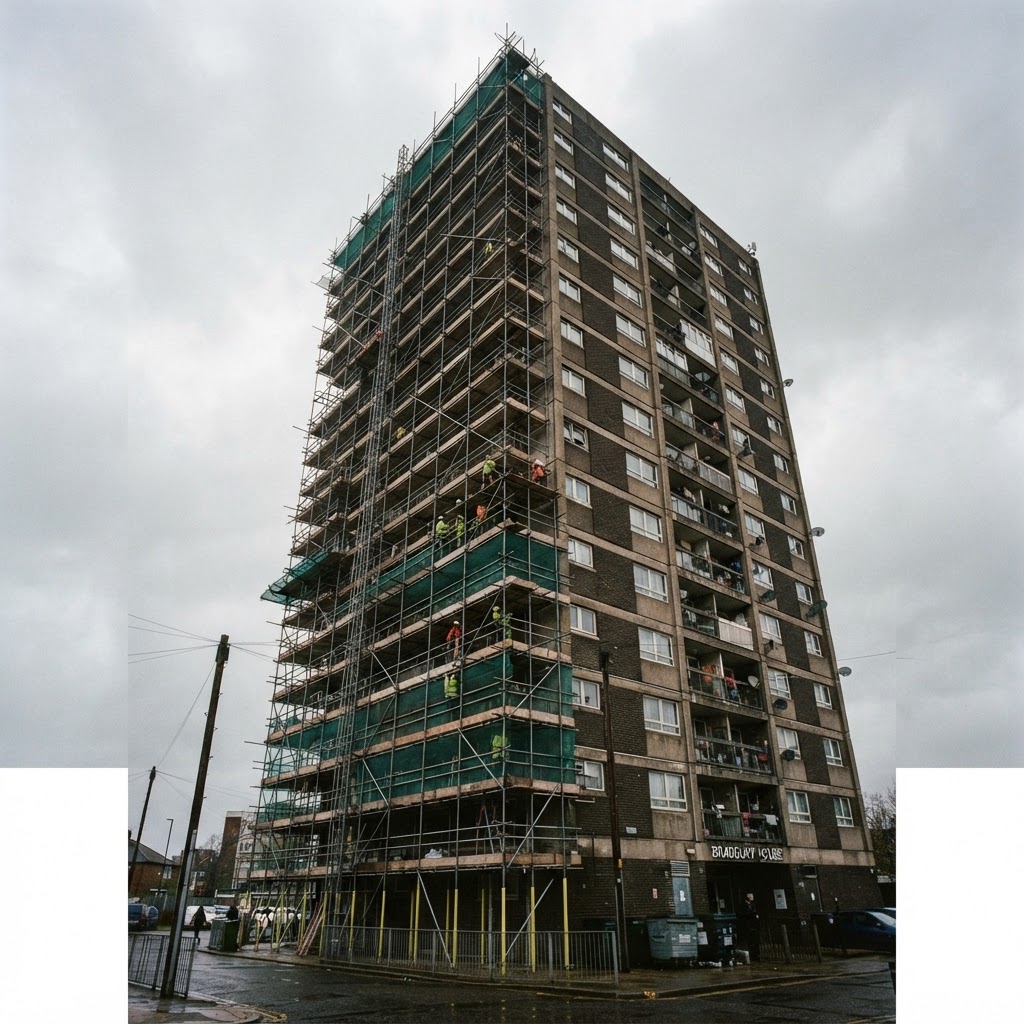
Portsmouth City Council has delayed the award of its £120m higher-risk building safety framework until January 2027 after tender submissions failed to meet required quality standards. The local authority originally planned to appoint up to seven contractors in August 2026 to handle critical remediation works across its residential portfolio.
Background
The council launched the procurement exercise in May 2026 to secure specialist contractors for its high-rise remediation programme. The initiative follows a C3 rating from the Regulator of Social Housing in January 2025, which identified serious failings including overdue fire risk assessment actions and a lack of up-to-date stock condition surveys. The framework aims to establish four delivery pipelines using up to four primary contractors and three reserve firms to manage the workload.
Industry implications
The delay exposes ongoing capacity and competence bottlenecks in the UK remediation sector. Director of building services James Hill noted in a report to councillors that access to specialist contractors was challenging during the early stages of the programme, allowing firms to be highly selective about the opportunities they pursued. The report also confirmed that Building Safety Regulator validation and determination periods have been longer than initially assumed. This regulatory friction has directly affected forecast construction start dates across the council's estate.
What contractors should do now
Firms bidding for higher-risk building frameworks must ensure their tender submissions explicitly demonstrate the competence, capability and capacity required for safety-critical works. Contractors should also factor extended regulatory approval timelines into their project schedules and commercial forecasting. Bidders must provide comprehensive evidence of their quality assurance processes to satisfy increasingly cautious public sector clients.
Analysis
The situation in Portsmouth reflects a wider national trend where local authorities struggle to procure competent remediation partners at scale. Hill stated that completing a strict quality assurance process is essential to ensure appointed contractors can deliver complex projects safely. The extended Building Safety Regulator timelines suggest the new regulatory regime is placing significant administrative strain on both clients and the regulator. This bottleneck is likely to delay remediation efforts nationwide as the industry adapts to the stringent requirements of the Building Safety Act.
What happens next
The council expects to finalise framework awards in January 2027. This revised timeline will push back the anticipated start dates for multiple dependent remediation projects across the city. The local authority will continue to engage with the Building Safety Regulator to navigate the extended validation periods.
Sources
- Construction News — Construction News