By Sarah Donnelly · Published 3 November 2026 · 2 min read
Oxfordshire-based contractor WG Carter has been fined £120,000 after a 59-year-old carpenter fell to his death during a house refurbishment project in Gloucestershire. The Health and Safety Executive found the work had not been properly planned and no measures were in place to prevent the fall from the first floor.
Background
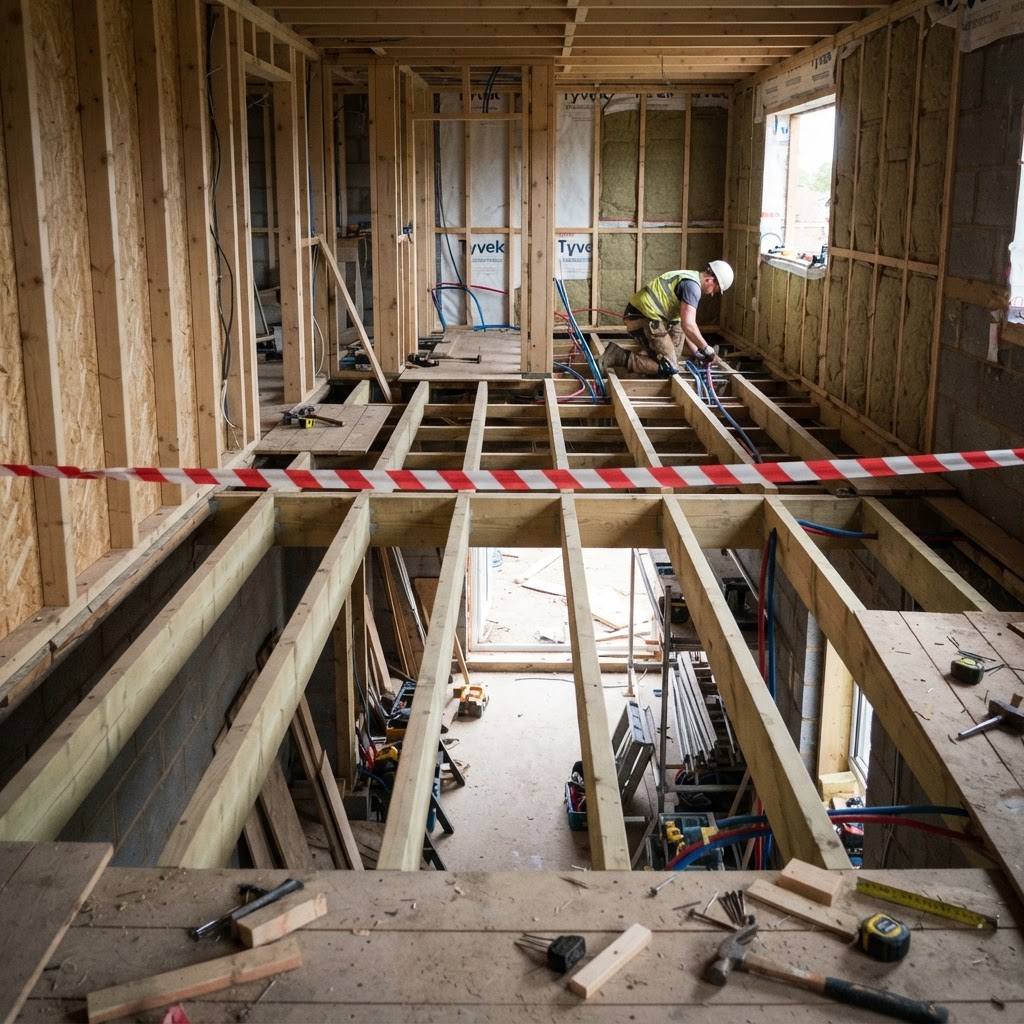
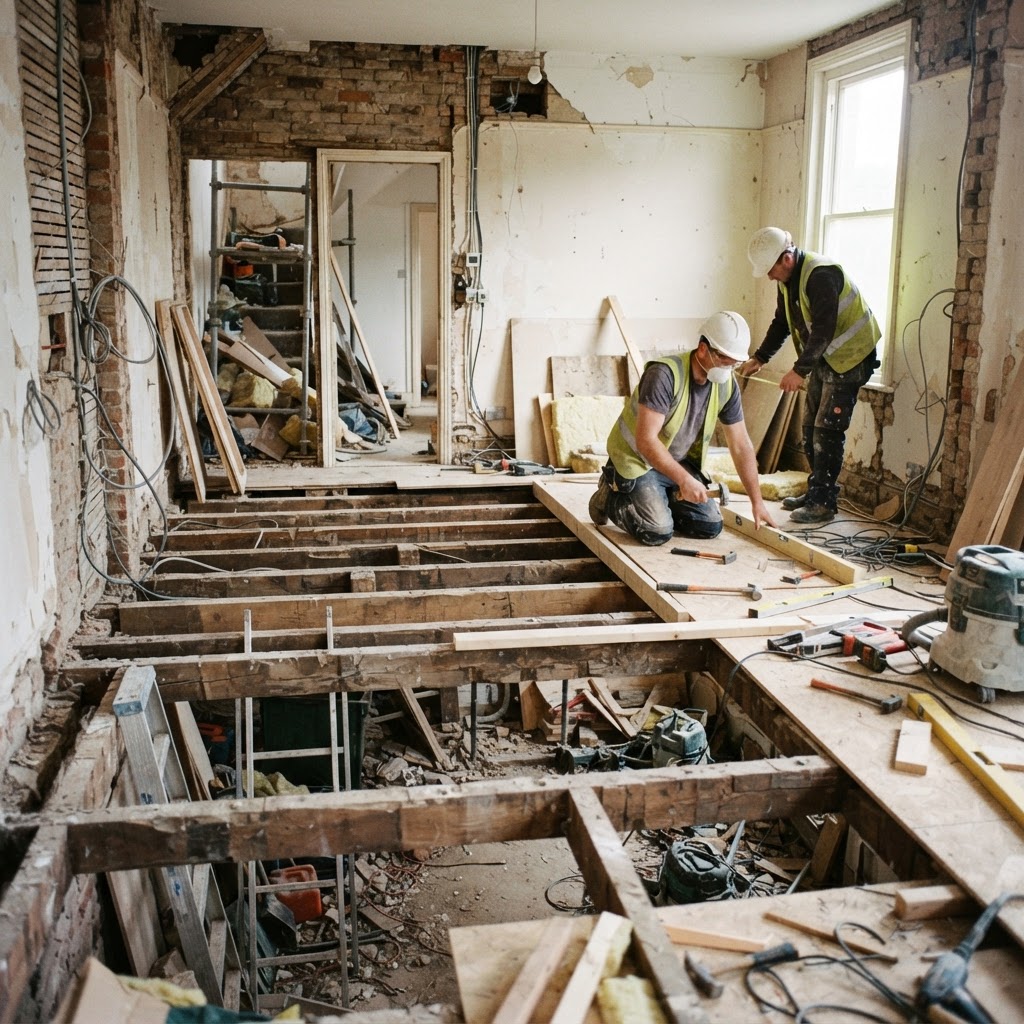
The fatal incident occurred when the carpenter fell through an unsafe first floor. Falls from height remain the leading cause of workplace fatalities in the UK construction sector. The HSE investigation concluded that the contractor failed to implement standard edge protection or safe working platforms.
Industry implications
This six-figure fine serves as a stark reminder of the financial and human cost of inadequate work at height planning. Small and medium-sized contractors are particularly vulnerable to severe penalties if they fail to assess risks on domestic refurbishment projects.
What contractors should do now
Principal contractors must review all work at height risk assessments before work commences. Temporary edge protection, crash decks, or safety nets must be installed where a fall risk exists. Site supervisors must halt work immediately if safety measures are compromised or removed.
Expert view
The persistence of fatal falls on domestic refurbishment sites points to a systemic issue with risk perception among smaller contractors. Despite clear regulations under the Work at Height Regulations 2005, basic precautions are still being bypassed to save time or money.
What happens next
The HSE will maintain its focus on work at height during its unannounced site inspection initiatives. Companies failing to provide adequate fall protection face immediate prohibition notices and subsequent prosecution.
Sources
- HSE Media Centre — Health and Safety Executive
- Construction Management — Construction Management