By James Whitaker · Published 22 June 2026 · 3 min read
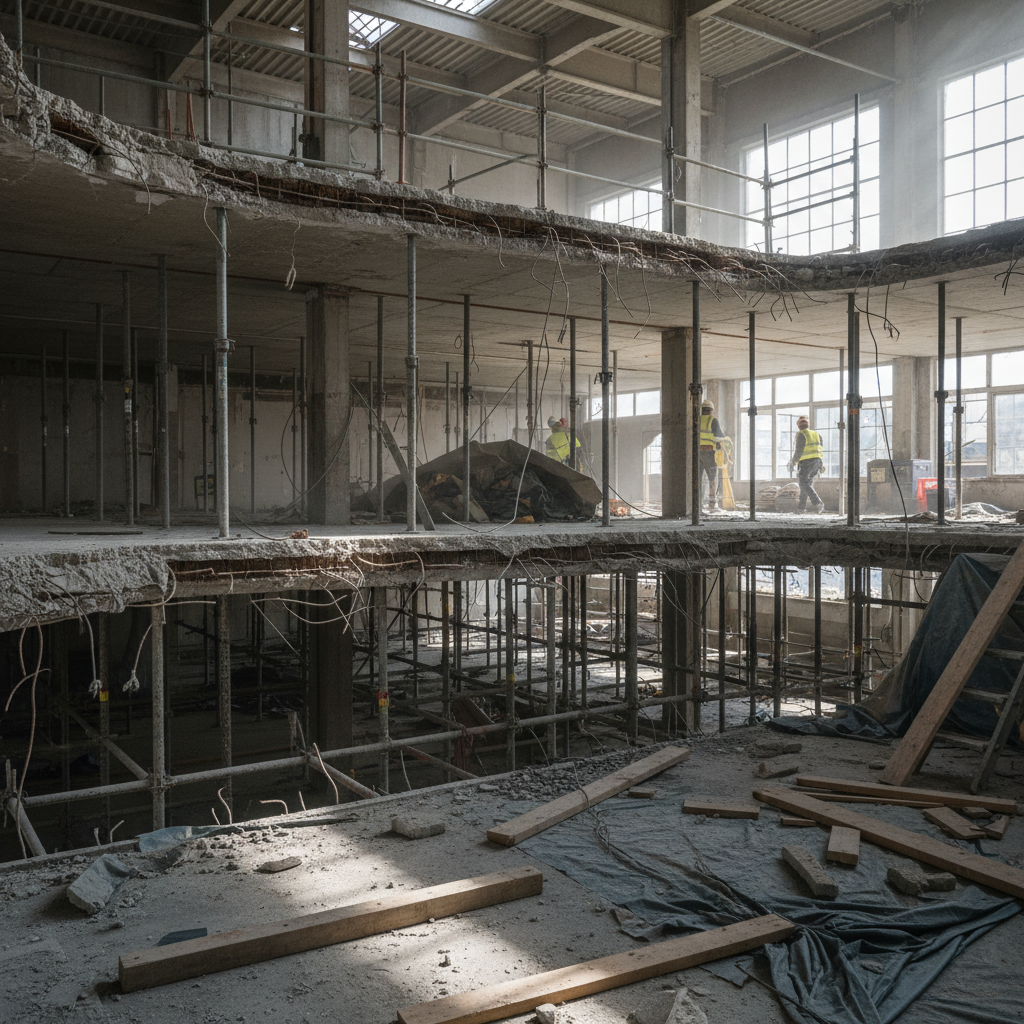
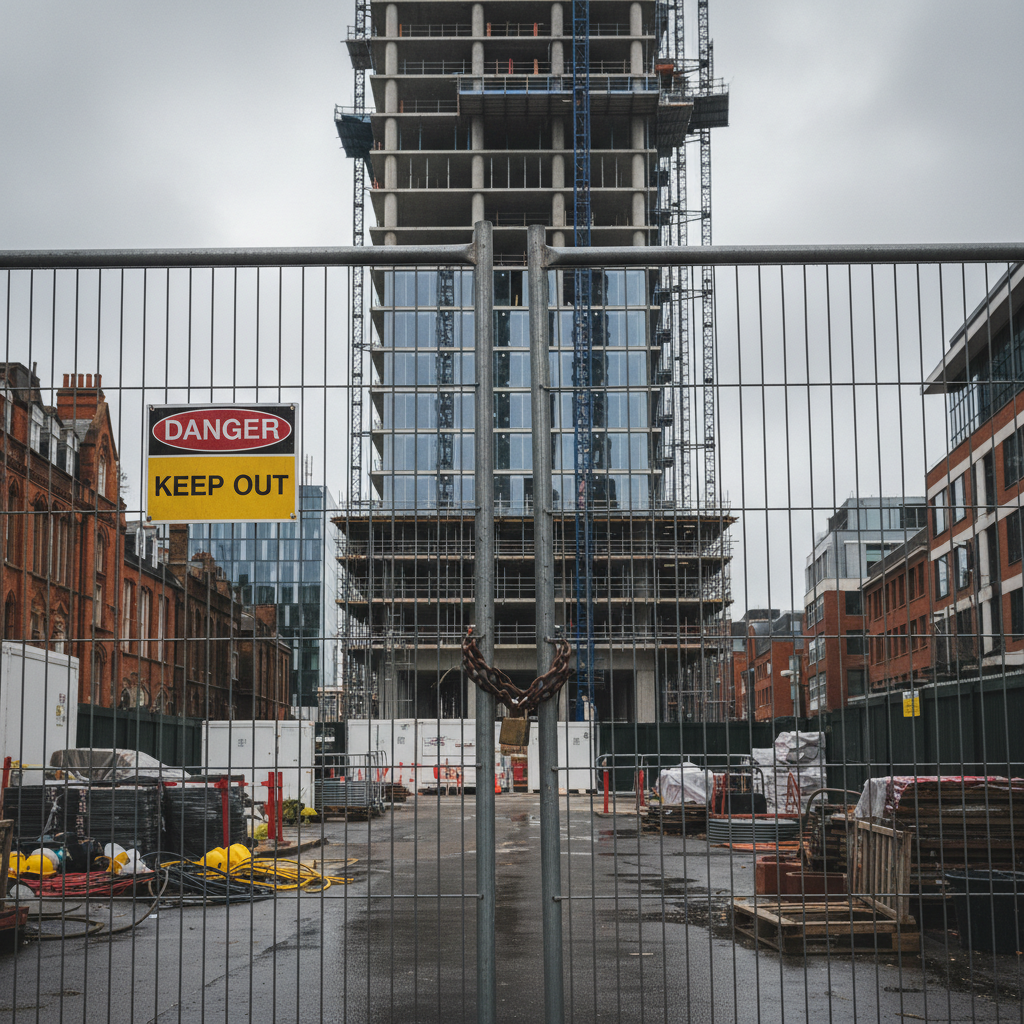
Ardmore Construction Group has collapsed into administration after a landmark High Court ruling over Building Liability Orders exposed the firm to millions in historic remediation claims. The £350 million turnover group shut down its active London sites on Thursday, leaving more than 500 staff facing immediate redundancy and multiple high-profile projects completely stalled. The failure follows intense legal pressure from major house builders, including Barratt, Taylor Wimpey and Bellway, who are pursuing substantial claims against the wider corporate entity under the powers of the Building Safety Act 2022.
Background
The Building Safety Act 2022 introduced Building Liability Orders specifically to prevent developers and contractors from evading fire safety remediation costs by dissolving special purpose vehicles. A recent High Court judgment ruled that these specific orders could lawfully extend liability for building defects beyond the original contracting entity to parent companies and associated businesses within the same corporate group. A legal challenge brought by house builder Crest Nicholson recently confirmed this interpretation. Ardmore Construction, the original contracting arm responsible for delivering many of the affected schemes, was placed into administration nearly a year ago to ring-fence the wider group. The recent court ruling dismantled that corporate shield completely.
Industry implications
This administration process demonstrates the severe financial reality of the new building safety regime. Corporate restructuring and the use of special purpose vehicles are no longer guaranteed defences against historic fire safety liabilities. Major developers are using Building Liability Orders aggressively to recover remediation costs from main contractors and their parent groups. For tier-one contractors with extensive legacy high-rise residential portfolios, the financial risk profile has fundamentally worsened overnight. Subcontractors and suppliers on current Ardmore sites, which include luxury hotel developments in Mayfair and a major life sciences laboratory campus at King's Cross, now face significant unpaid invoices. This will inevitably trigger a secondary wave of insolvencies within the London supply chain.
What contractors should do now
Board directors must immediately audit all higher-risk residential projects completed over the past three decades to quantify their maximum potential fire safety exposure. Contractors should seek urgent, specialist legal counsel on their existing corporate structures and assess the precise vulnerability of parent companies to incoming Building Liability Orders. Supply chain partners working on active sites for main contractors with heavy historic residential exposure should tighten credit control immediately. Subcontractors must monitor payment cycles strictly and consider credit insurance where available, though premiums are likely to spike following this collapse.
Analysis
This failure represents a brutal watershed moment for UK construction enforcement. The legislation is functioning exactly as parliament intended by forcing the entities that built defective tower blocks to pay for the required fixes. However, the retroactive application of the act is now destroying active, solvent businesses that are otherwise vital for delivering current infrastructure and housing targets. By piercing the corporate veil so decisively, the courts have ensured that no legacy contractor is entirely safe from the post-Grenfell financial fallout. The collateral damage to innocent subcontractors is severe, but the government shows no sign of softening the regulatory impact.
What happens next
Administrators will spend the coming days attempting to sell the profitable divisions of the broader Ardmore group, which include Ardmore Fitout and Landmark Facades. Clients with stalled projects will scramble to procure replacement principal contractors, a process that will likely incur heavy delays and premium completion costs. The broader market expects other main contractors with similar legacy residential portfolios to face immediate, severe pressure from bond providers, surety markets and credit insurers before the end of the summer.
Sources
- Construction Enquirer — Construction Enquirer