By Sarah Donnelly · Published 19 June 2026 · 3 min read
Government announces strict 2029 cladding remediation deadline in King's Speech
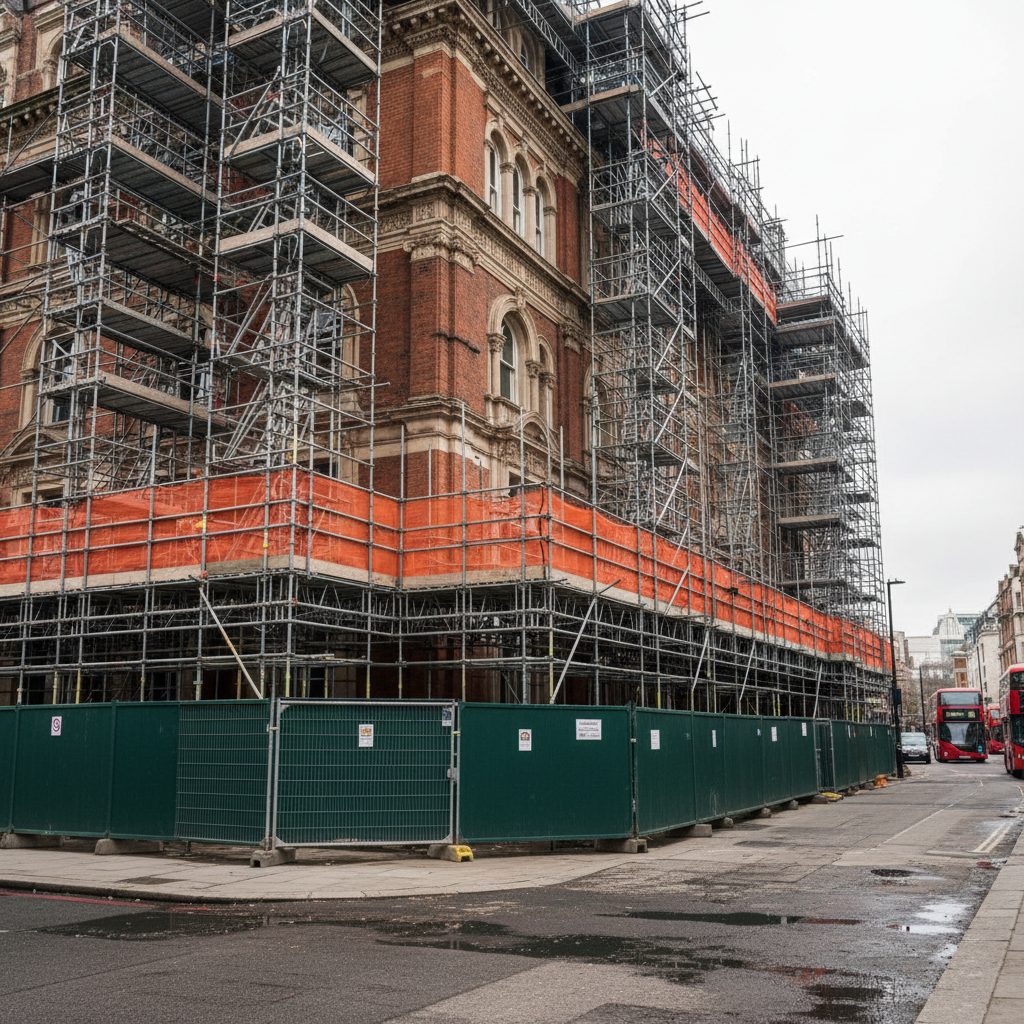
The government has confirmed a hard deadline of 2029 to remediate all unsafe high-rise buildings over 18 metres. Announced as part of the Remediation Bill in the June 2026 King's Speech, the legislation introduces severe penalties for landlords and developers who delay essential fire safety works. The Building Safety Regulator (BSR) will also receive expanded enforcement powers and a dedicated Remediation Enforcement Unit to police the new statutory timelines.
Background
Since the Grenfell Tower fire, progress on removing dangerous cladding has been heavily criticised, with only 35 percent of affected buildings fully remediated by early 2026. The new Remediation Bill forms the core of the government's Remediation Acceleration Plan. It sets a 2029 endpoint for buildings over 18 metres and a 2031 deadline for mid-rise buildings between 11 and 18 metres. The legislation also creates a new register for mid-rise buildings to identify all remaining structures requiring intervention.
Industry implications
The legal environment for developers and building owners is tightening significantly. The bill proposes rights for third parties to step in and execute remediation works if the responsible party ignores their legal duties, with costs recovered subsequently. Crucially, failure to comply with the new statutory deadlines will expose landlords to direct criminal prosecution. The transition of the BSR into a standalone organisation under the Ministry of Housing, Communities and Local Government (MHCLG) in January 2026 has already consolidated its authority. These new powers will drastically increase its capacity to issue enforcement notices.
What contractors should do now
Main contractors involved in cladding replacement must prepare for a massive surge in procurement demand as building owners scramble to meet the 2029 deadline. Firms should review their supply chains for approved, non-combustible materials to avoid bottlenecks. Project managers must ensure absolute compliance with the BSR Gateway processes, as the regulator will be scrutinising both new builds and remediation projects with a zero-tolerance approach to substandard work.
Analysis
Speaking during a House of Lords debate in June 2026, Lord Best noted that the initial BSR setup had been slow, but the new structure promises speedy and effective regulation. Samantha Dixon, Minister for Building Safety, stated that the plans to establish a single construction regulator would include greater regulation of construction products. The creation of a dedicated Remediation Enforcement Unit signals an end to the grace period for hesitant landlords. The extension of liability to construction product manufacturers will also close existing legal loopholes, forcing the entire supply chain to guarantee material safety.
What happens next
The Remediation Bill will now pass through Parliament, with formal enactment expected by late 2026. The BSR will simultaneously release guidance on the new mid-rise building register. Construction firms should urgently scale their fire safety divisions, as the mandated acceleration plan guarantees a sustained pipeline of compliance-driven work over the next three to five years.
Sources
- UK Parliament Publications — UK Parliament