By Sarah Donnelly · Published 27 October 2026 · 2 min read
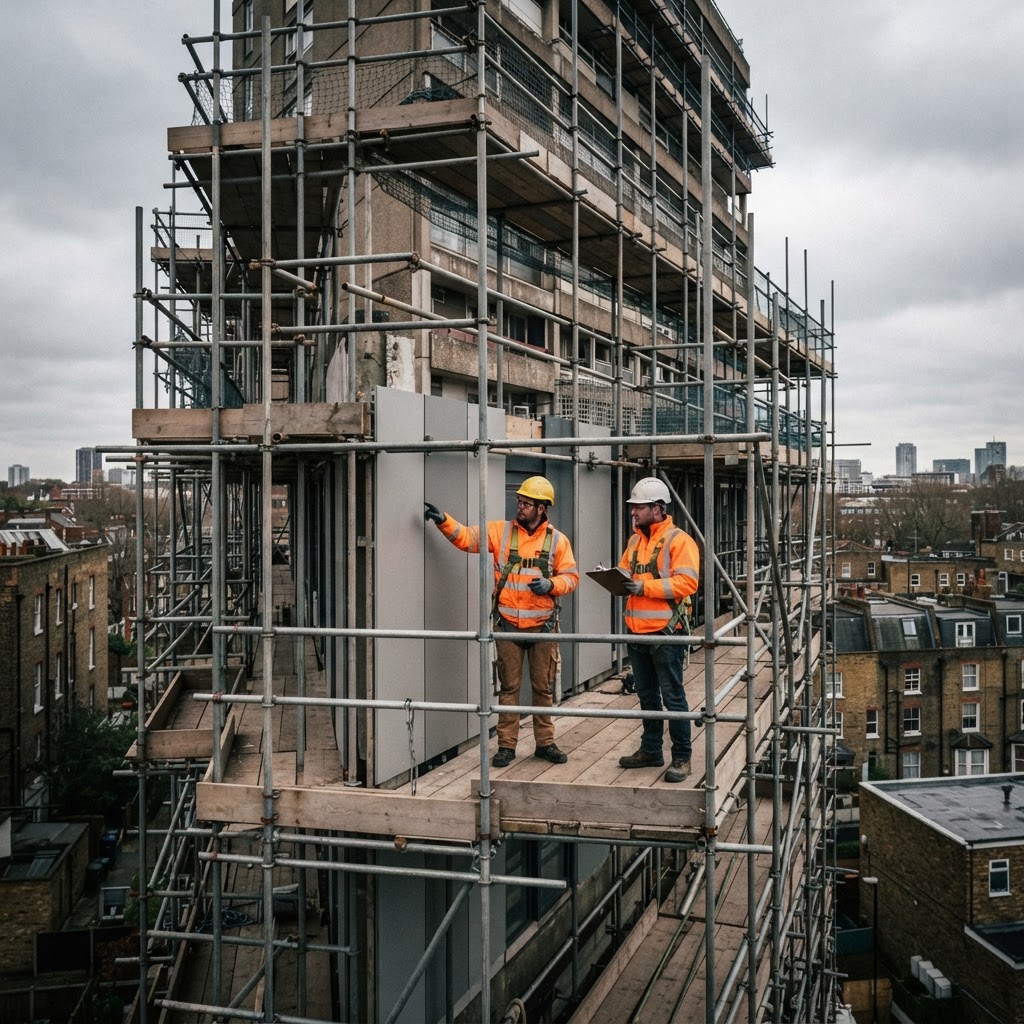
The Building Safety (Remediation of Unsafe Cladding etc) Bill was introduced to Parliament on 14 October 2026. The legislation aims to accelerate the removal of dangerous materials from residential buildings and strengthen enforcement powers across the sector.
Background
First announced in December 2024, the bill addresses government concerns that remediation work is progressing too slowly. The Ministry of Housing, Communities and Local Government confirmed the reforms target residential buildings with unsafe cladding. The draft legislation adds 120 pages to existing building safety laws. It will also require additional statutory instruments to implement fully.
Industry implications
The bill expands liability and enforcement mechanisms for contractors and developers. Local authorities, fire and rescue services, and the Building Safety Regulator will receive a statutory duty to enforce remediation. This will likely increase the volume of enforcement notices served on non-compliant dutyholders. The legislation removes previous loopholes that allowed some building owners to delay essential safety works.
What contractors should do now
Firms involved in high-rise residential projects must review their current remediation liabilities immediately. Dutyholders should prepare for stricter oversight from the Building Safety Regulator and local authorities. Companies must ensure their supply chains are fully compliant with the latest cladding material restrictions.
Expert view
Legal experts at DAC Beachcroft note that the bill introduces significant new statutory duties. The expanded enforcement powers mean regulators will have less discretion to ignore delayed remediation schedules. The mandatory duty to enforce will force local authorities to take a more aggressive stance against stalled projects.
What happens next
The bill will now progress through parliamentary readings. Contractors should monitor the release of accompanying statutory instruments, which will detail the specific technical requirements for compliance. The Building Safety Regulator is expected to publish updated guidance on enforcement protocols once the bill receives Royal Assent.
Sources