By James Whitaker · Published 28 October 2026 · 3 min read
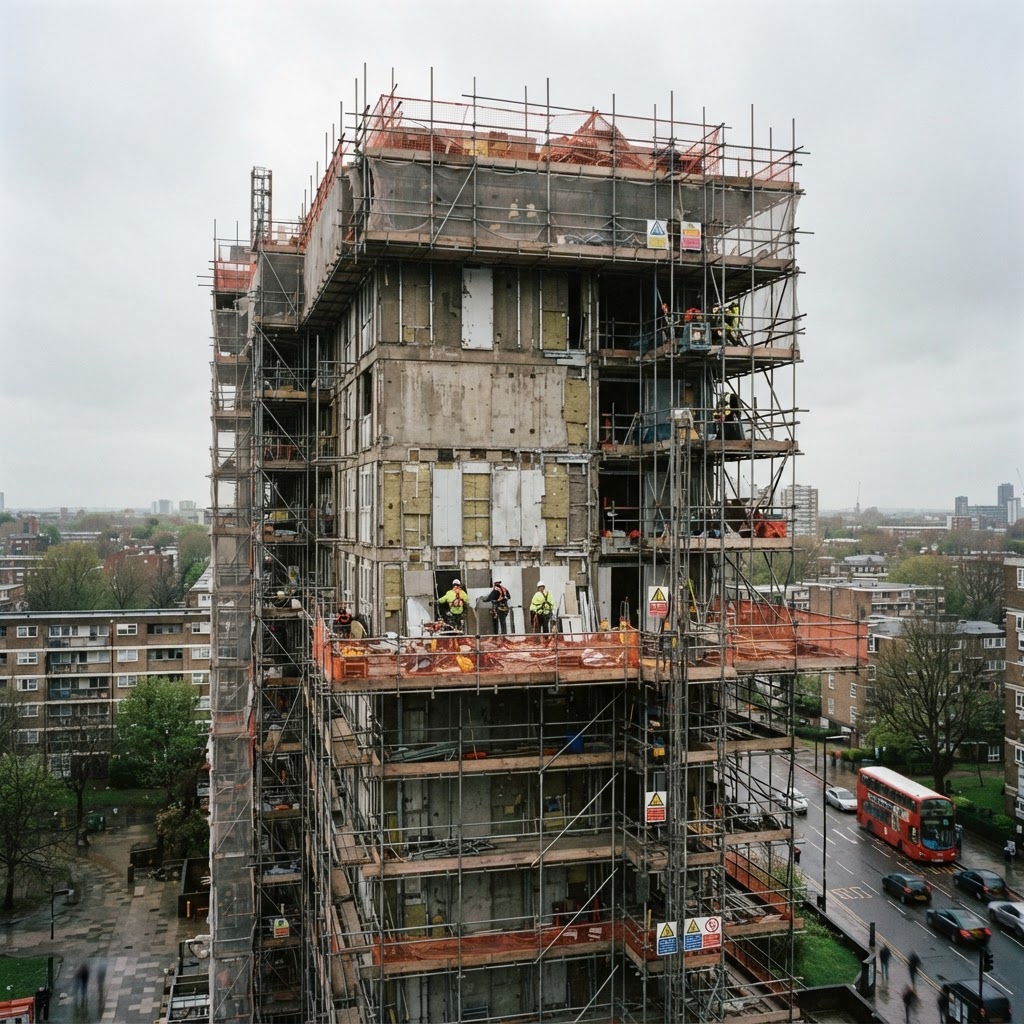
The government has introduced the Building Safety (Remediation of Unsafe Cladding etc) Bill to Parliament. This adds 120 pages of legislation aimed at accelerating the removal of dangerous materials from residential blocks. Published on 14 October 2026, the draft law places a strict legal duty on building owners to remediate defects. It also grants the Building Safety Regulator new powers to enforce compliance. The move follows repeated warnings that the current pace of making buildings safe is entirely inadequate.
Background
First announced in December 2024, the legislation reflects ministerial frustration with the slow pace of remediation across the UK built environment. The Ministry of Housing, Communities and Local Government confirmed the reforms specifically target residential buildings with unsafe cladding. Previous frameworks relied heavily on complex funding applications and voluntary developer pledges. These mechanisms often stalled at the assessment stage, leaving thousands of residents in unsafe properties. The new bill seeks to bypass these delays by imposing absolute legal duties on property owners.
Industry implications
The bill fundamentally shifts liability and enforcement dynamics for contractors, developers and asset managers. Local authorities, fire and rescue services, and the Building Safety Regulator will now share a statutory duty to enforce remediation orders. This multi-agency approach means dutyholders will face intense scrutiny from several regulatory bodies simultaneously. The addition of 120 pages to the statute book will significantly increase compliance overheads for firms working on higher-risk buildings. Furthermore, the legislation will require additional Statutory Instruments to bring its provisions into force. This creates a complex transitional period for the construction sector.
What contractors should do now
Principal contractors and developers must immediately audit their portfolios for legacy residential projects involving cladding systems. Firms need to review their supply chain records and material specifications for any high-rise residential work completed over the past three decades. Legal teams should prepare for an influx of remediation orders by establishing dedicated response protocols. Companies must also ensure their current professional indemnity insurance policies adequately cover the expanded liabilities introduced by this bill. Engaging with specialist fire engineers early in the assessment process will be critical to managing these new regulatory demands.
Analysis
This legislative push signals a strict approach to delayed safety works. By empowering local authorities and fire services alongside the Building Safety Regulator, the government is closing the enforcement gaps that previously allowed building owners to defer costly repairs. The sheer volume of new statutory requirements suggests that regulatory enforcement will become highly aggressive once the bill receives Royal Assent. Legal experts note that the concurrent enforcement powers granted to multiple agencies could lead to overlapping investigations. This will require contractors to maintain impeccable records and demonstrate proactive compliance.
What happens next
The bill is currently progressing through parliamentary readings. It requires secondary legislation to take full effect. Contractors should monitor the publication of the associated Statutory Instruments. These documents will detail the specific technical thresholds for enforcement and the exact timelines for compliance. Industry bodies expect the first wave of coordinated enforcement notices to be issued shortly after the legislation is enacted. Firms that fail to prepare during this legislative window risk severe financial penalties and potential prosecution under the expanded regulatory framework.
Sources
- The Building Safety (Remediation of Unsafe Cladding etc.) Bill — DAC Beachcroft