By Sarah Donnelly · Published 31 October 2026 · 3 min read
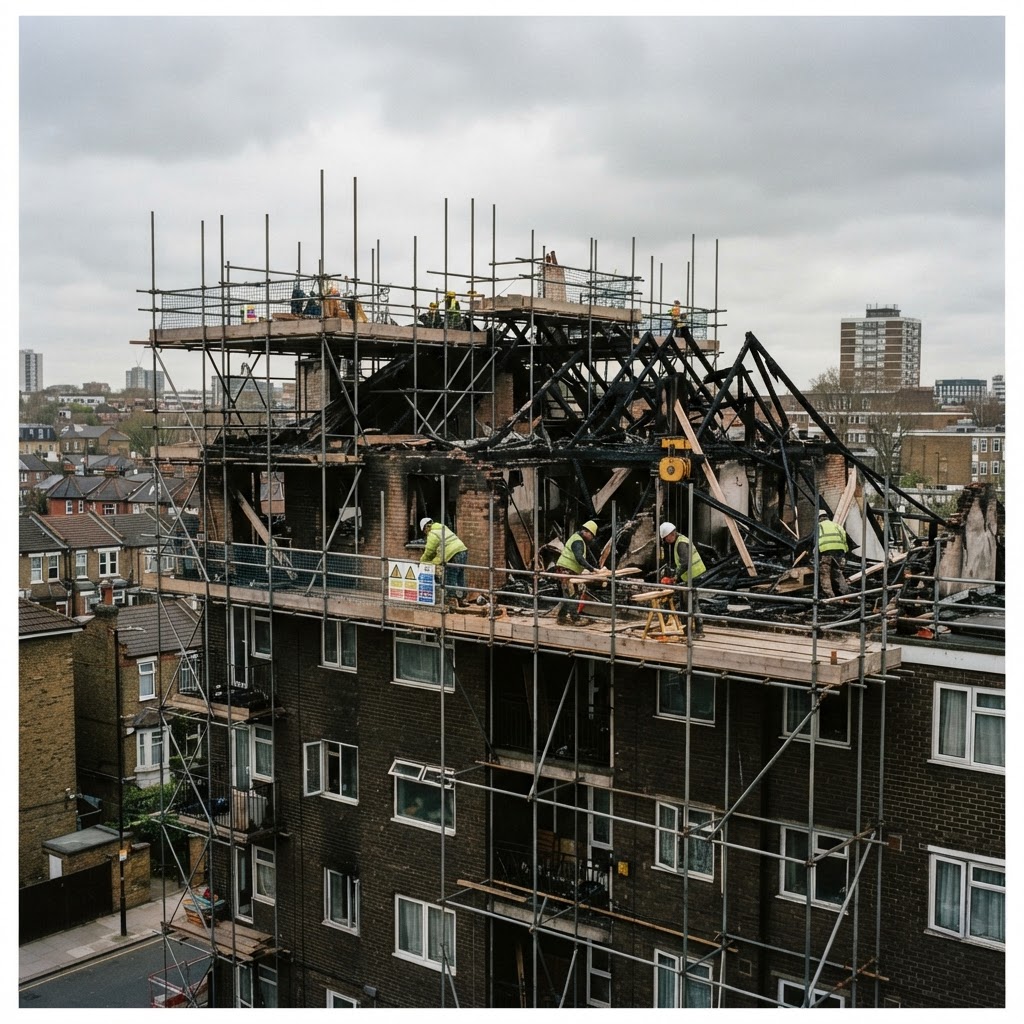
An Oxfordshire-based construction company has been fined £120,000 following the death of a 59-year-old carpenter. The father of two was killed when he fell through an unsafe first floor during a building project. A Health and Safety Executive investigation found that the work had not been properly planned and no measures were put in place to prevent falls. The tragic incident underscores the fatal consequences of inadequate temporary works planning.
Background
Falls from height remain the leading cause of workplace fatalities in the UK construction industry. Under the Work at Height Regulations 2005, employers must ensure that all work at height is properly planned, supervised, and carried out by competent people. In this tragic case, the HSE determined that the contractor completely failed to implement basic edge protection or fall arrest systems. The lack of planning directly resulted in the worker falling through an unprotected opening on the first floor. The HSE has repeatedly stressed that such incidents are entirely preventable when standard industry guidance is followed. The failure to secure the first-floor working area breached fundamental health and safety laws.
Industry implications
A £120,000 fine represents a significant financial blow to SME contractors, but the human cost is immeasurable. This ruling reinforces the precedent that courts will issue heavy penalties for planning failures that lead to fatalities. Directors and site managers must understand that they are personally accountable for ensuring safe systems of work. The reputational damage from a fatal accident prosecution can also exclude companies from future public and private sector tenders. Principal contractors will likely increase their scrutiny of subcontractors' risk assessments and method statements (RAMS) to avoid vicarious liability for similar failures on their sites.
What contractors should do now
Companies must urgently audit their work at height risk assessments. Every floor opening, stairwell, and fragile surface must be identified before operatives access the area. Physical barriers, such as secured covers or guardrails, must be installed immediately. Toolbox talks should be conducted this week to remind all site personnel of the fatal risks associated with unprotected edges. Site managers must enforce a strict policy where work is halted immediately if edge protection is removed or compromised. Furthermore, temporary works coordinators must sign off on all floor installations before they are used as working platforms.
Expert view
The persistence of fatal falls in the construction sector is a damning indictment of basic site safety management. Despite decades of campaigns and clear regulatory guidance, contractors continue to cut corners on temporary works and edge protection. The HSE has repeatedly warned that working at height requires meticulous planning, yet this case demonstrates a fatal disregard for those warnings. Enforcement data consistently shows that falls account for over half of all construction deaths, prompting calls for even stricter penalties. The fact that a 59-year-old experienced carpenter lost his life due to a lack of basic planning shows that experience alone cannot compensate for systemic safety failures.
What happens next
The HSE will use this prosecution as a benchmark in its ongoing campaign against unsafe work at height. Inspectors are currently conducting spot checks across the UK, specifically targeting unprotected stairwells and fragile roofs. Contractors found lacking will face immediate prohibition notices, halting site operations until safety measures are rectified. The industry can expect further regulatory pressure to adopt passive fall protection systems as the default standard on all domestic and commercial builds.
Sources
- HSE Media Centre — Health and Safety Executive