By Sarah Donnelly · Published 29 October 2026 · 3 min read
The Health and Safety Executive has served prohibition notices to four businesses, ordering them to immediately halt work with engineered stone due to dangerous silica dust exposure. The enforcement action marks the first wave of penalties in a nationwide inspection campaign targeting dry-cutting practices. The regulator has warned that companies failing to control respirable crystalline silica face immediate site closures.
Background
The regulator launched a targeted campaign to run throughout 2026, planning over 1,000 site visits across the UK. The focus is on respirable crystalline silica, a hazardous dust generated when cutting engineered stone, which causes the fatal lung disease silicosis. The Health and Safety Executive previously issued updated Control of Substances Hazardous to Health guidance, stating explicitly that dry cutting of this material is unacceptable and illegal under current workplace regulations.
Industry implications
The prohibition notices force an immediate cessation of operations, causing severe commercial disruption for the affected firms. Harvey Wild, Head of Operations at the Health and Safety Executive, confirmed the regulator's stance. According to Wild, the regulator will not hesitate to stop work where basic protections are ignored. "If businesses ensure the right controls are being used correctly, then the risks of engineered stone and silicosis can be safely managed. Where these are not in place, workers will be at risk," Wild stated.
What contractors should do now
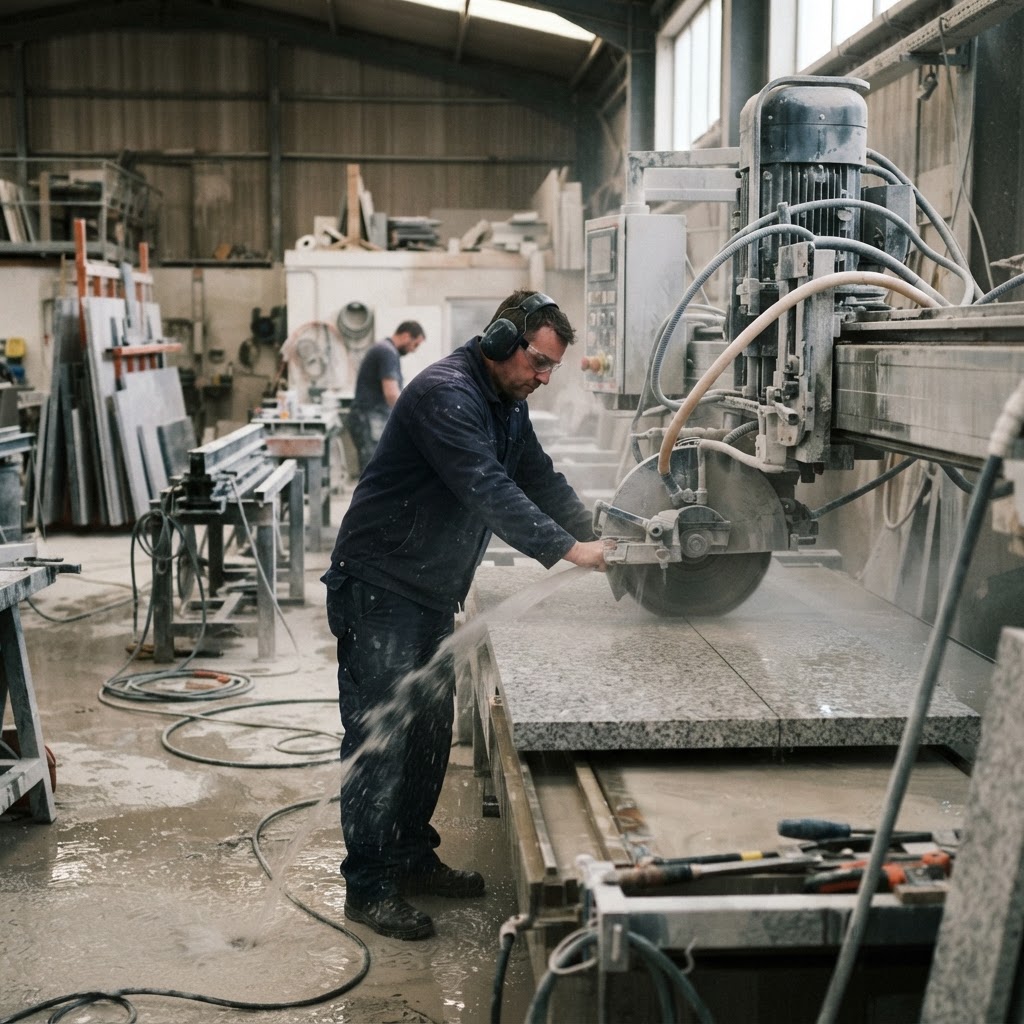
Employers must switch to engineered stone with a lower silica content where commercially viable. Work processes must incorporate on-tool water suppression to control dust and mist at the source. Firms must also provide appropriate respiratory protective equipment to all exposed staff. Furthermore, companies are legally required to conduct regular health surveillance for workers operating in high-risk cutting environments.
Analysis
The immediate use of prohibition notices demonstrates a zero-tolerance approach to silica exposure in the construction and stonemasonry sectors. The regulator is no longer relying solely on improvement notices for dry-cutting offences. By moving straight to work stoppages, the Health and Safety Executive is treating silica dust exposure with the same regulatory severity as unprotected work at height or unsafe asbestos removal.
What happens next
The Health and Safety Executive will continue its 1,000-visit inspection programme across the UK throughout the summer. Enforcement notices will be published on the public register approximately five weeks after being served, allowing time for the statutory appeals process. Industry bodies expect further prohibition notices to be issued as inspectors target informal and non-compliant segments of the supply chain.
Sources
- Businesses ordered to stop work with engineered stone after failing safety inspections — Health and Safety Executive
- Workplace Exposure to Silica Dust - Hansard — UK Parliament