By Sarah Donnelly · Published 29 May 2026 · 3 min read
Wind turbine manufacturer Siemens Gamesa Renewable Energy Ltd has been fined £600,000 after a worker was paralysed in a crushing incident at a construction site in Hull. The 37-year-old woman was trapped by an 800kg pre-cast turbine blade section that collapsed on 18 July 2024. She suffered life-changing injuries and is now paralysed from the waist down.
Background
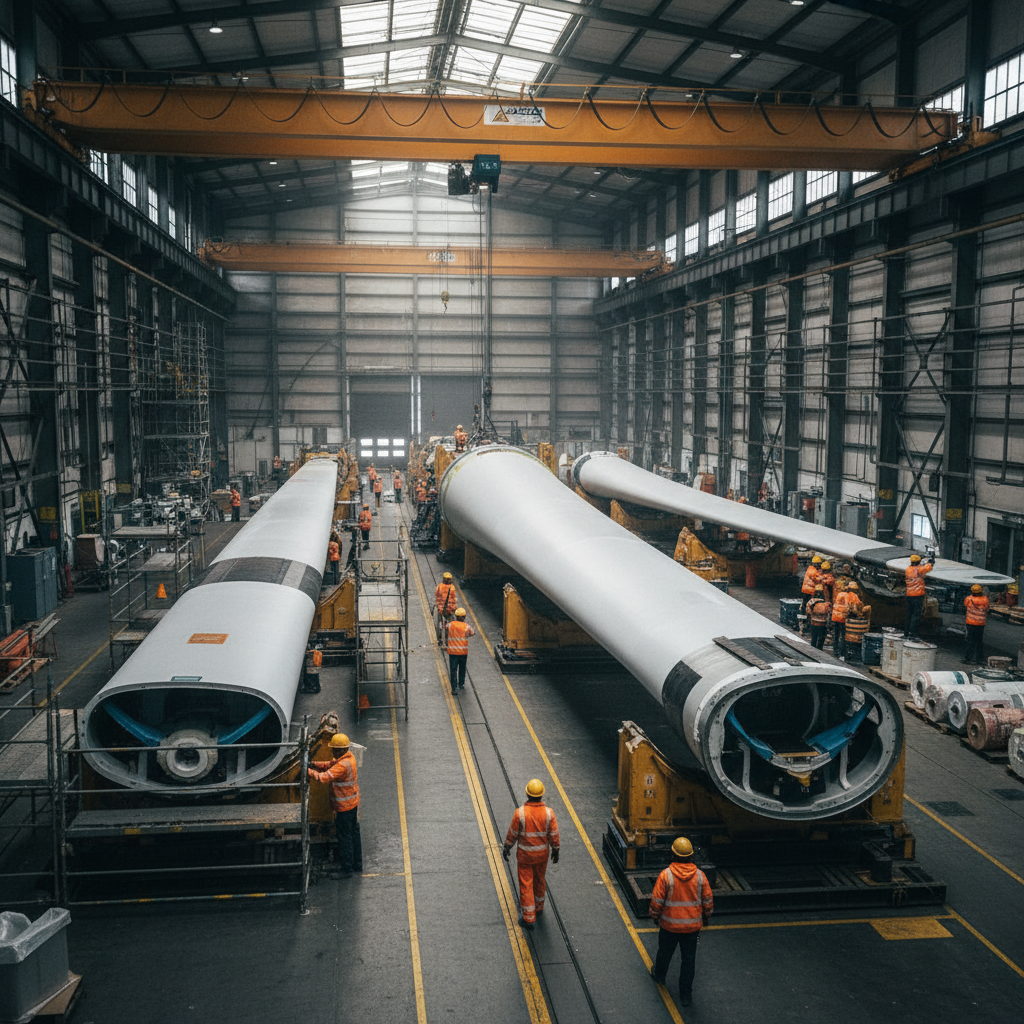
The incident occurred during the construction of a blade web section, an internal structure that functions like a spine to prevent buckling in high winds. The injured employee and a colleague were preparing the root end of the web to be wrapped in materials. Support poles holding the heavy structure in place were removed, causing the 800kg component to fall directly onto her. An investigation by the Health and Safety Executive found the company had failed to adequately assess the risks, devise a safe system of work, or train staff in safe procedures for removing temporary supports.
Industry implications
This prosecution highlights the catastrophic consequences of failing to control temporary works and load-bearing structures during complex manufacturing or assembly processes. The £600,000 fine, handed down at Grimsby Magistrates' Court on 27 May 2026 alongside £7,980 in costs, underscores the severe financial penalties courts will impose for systemic safety management failures that result in life-altering injuries.
What contractors should do now
Firms engaged in heavy assembly or lifting operations must review their temporary support protocols immediately. Following the incident, Siemens Gamesa implemented a mechanical locking system where support poles can only be released by a nominated supervisor holding a physical key. Contractors should adopt similar fail-safe mechanisms to prevent the unauthorised or premature removal of critical structural supports.
Expert view
The HSE findings point to a dangerous gap between operational design and site-level execution. When workers are able to remove load-bearing supports without physical restrictions or mandatory supervisory sign-off, the safety system is fundamentally flawed. Relying solely on procedural training rather than engineered physical controls is a frequent root cause in major crushing incidents.
What happens next
The heavy fine against a major renewable energy contractor serves as a warning to the rapidly expanding green infrastructure sector. As the UK scales up its wind turbine manufacturing and installation capacity, the HSE is likely to increase proactive inspections of these high-risk assembly sites. According to HSE inspector Mark Slater, companies must ensure all work activities carrying a risk to health and safety are fully risk assessed and safe systems of work are both devised and strictly implemented.
Sources
- HSE Media Centre — Health and Safety Executive