Working at Height: The Most Common Mistakes Businesses Still Make
Working at height remains one of the biggest causes of serious injuries and fatalities in the UK.
What surprises many people is that most accidents do not happen on huge construction projects. They happen during everyday tasks that people stop taking seriously.
Simple jobs like:
- Cleaning gutters
- Using ladders
- Accessing roofs
- Installing signage
- Replacing lights
can become extremely dangerous without proper planning.
What Counts as Working at Height?
A lot of people think working at height only means being high up on scaffolding.
Legally, it covers any situation where someone could fall and injure themselves.
That includes:
- Ladders
- Roof work
- Fragile surfaces
- Working near edges
- Working above openings
- Access platforms
- Mezzanine floors
Even relatively low falls can cause serious injuries.
The Most Common Mistakes
Treating Short Jobs as Low Risk
One of the biggest mistakes is assuming a quick task does not need proper controls.
In reality, many accidents happen during jobs that were only supposed to take "five minutes".
People skip safety steps because they think:
- The task is small
- They have done it before
- It will be quick
That mindset causes accidents every day.
Using the Wrong Equipment
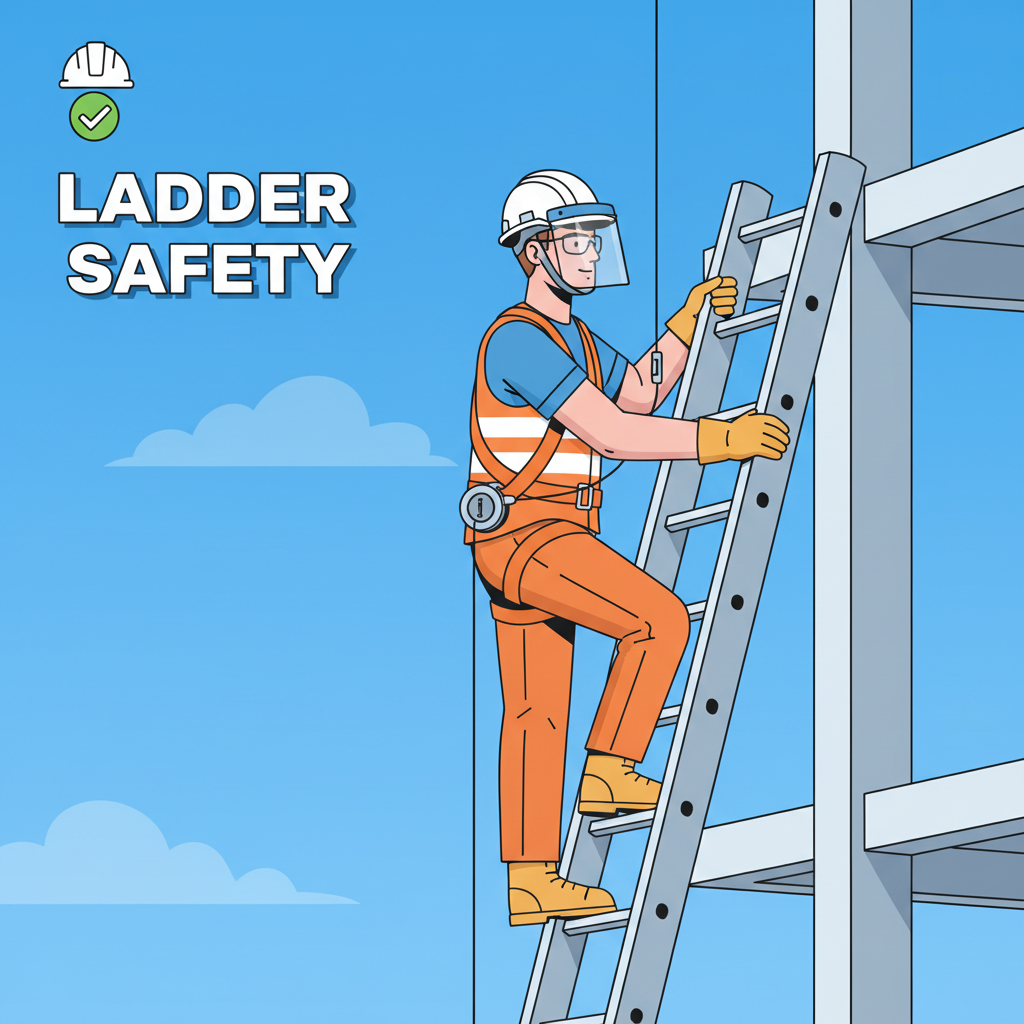
Ladders are commonly misused.
Ladders should generally be used for short-duration tasks where the risk is low and the work can be carried out safely.
They should not replace proper access equipment when:
- The task takes a long time
- Heavy materials are involved
- Both hands are needed continuously
- The work area is unstable
Poor Ladder Setup
Even good equipment becomes dangerous if used incorrectly.
Common issues include:
- Uneven ground
- Incorrect ladder angles
- Damaged ladders
- Overreaching
- Lack of ladder securing
A stable setup makes a huge difference.
Ignoring Fragile Roofs
Fragile roofs remain a major cause of fatalities.
Materials such as:
- Roof lights
- Fibre cement sheets
- Corroded roofing panels
may not support body weight.
Many workers assume a roof is safe simply because it looks solid.
What Employers Should Be Doing
Employers should:
- Assess the risks properly
- Choose suitable equipment
- Ensure workers are trained
- Supervise high-risk activities
- Inspect equipment regularly
Working at height should always be planned, even for routine jobs.
Simple Ways to Reduce Risk
Some of the most effective controls are also the simplest:
- Keep work areas tidy
- Use the correct access equipment
- Avoid rushing
- Secure ladders properly
- Prevent overreaching
- Use edge protection where needed
- Inspect equipment before use
Good planning usually prevents most problems before work even begins.
Why This Matters
Falls from height can lead to:
- Broken bones
- Life-changing injuries
- Long recovery periods
- Financial losses
- HSE investigations
- Prosecution in serious cases
Beyond legal compliance, businesses also have a responsibility to protect workers from avoidable harm.
Final Thoughts
Working at height is one of those risks that people often underestimate because the tasks feel familiar.
But familiarity can create complacency.
Whether the job takes five minutes or five days, proper planning and suitable controls are what keep people safe.