By Sarah Donnelly · Published 20 October 2026 · 3 min read
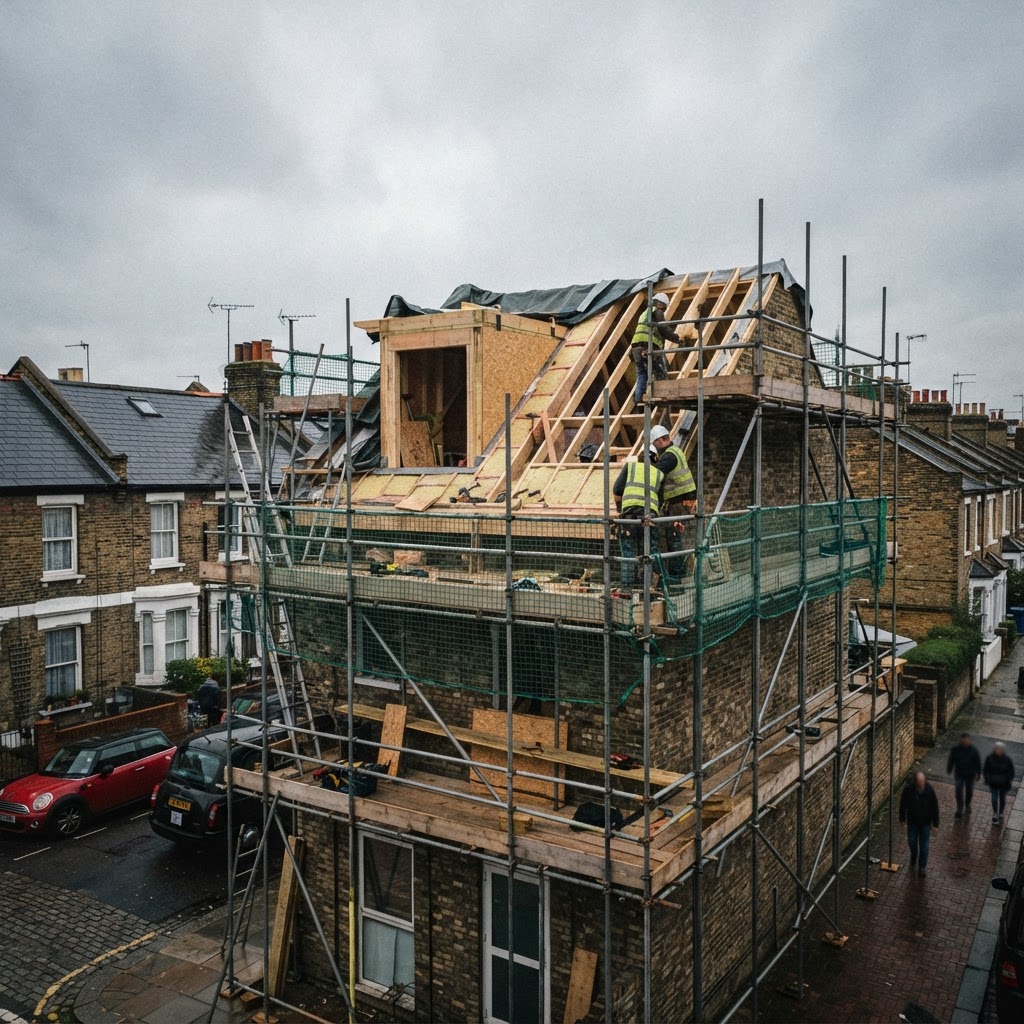
A construction company and its director have been sentenced after repeatedly exposing workers to fatal fall risks during a roof extension project in central London. The Health and Safety Executive prosecuted the firm following multiple warnings and concerns raised by members of the public regarding the site in Kings Cross. The case highlights the severe legal consequences of ignoring regulatory interventions.
Background
Falls from height remain the leading cause of workplace fatalities and serious injuries in the UK construction sector. Under the Work at Height Regulations 2005, employers must ensure all work at height is properly planned, supervised, and carried out safely. The HSE intervened at the Kings Cross site after receiving reports of unsafe practices from local residents. Despite receiving direct warnings from inspectors to halt the dangerous activities, the contractor allowed the unsafe work to continue without implementing adequate fall protection measures.
Industry implications
The prosecution highlights the severe legal and financial consequences of ignoring direct regulatory warnings. Directors face personal liability, heavy fines, and potential prison sentences when they deliberately bypass safety protocols to maintain project schedules. The case also underscores the growing role of public reporting in triggering HSE site inspections. In dense urban environments, contractors are under constant observation from neighbouring properties, making poor safety practices highly visible to the public.
What contractors should do now
Principal contractors must ensure all work at height is properly planned, supervised, and carried out by competent persons. Edge protection, secure scaffolding, and safety netting must be fully installed and inspected before any roof work commences. Site managers must immediately comply with any verbal or written advice provided by HSE inspectors. Firms should also ensure that site supervisors are empowered to halt work immediately if safety conditions deteriorate or if weather conditions make roof work hazardous.
Analysis
This case fits a clear enforcement pattern where the HSE targets directors personally under Section 37 of the Health and Safety at Work Act when they demonstrate a flagrant disregard for regulatory notices. Ignoring an initial warning escalates a standard compliance intervention into a criminal prosecution. The regulator is increasingly relying on public tip-offs to identify rogue sites in dense urban areas like London. This intelligence-led approach allows the HSE to deploy its limited inspection resources to sites with the highest immediate risk profiles.
What happens next
The HSE is expected to maintain its targeted inspection campaigns focusing on roof work and falls from height throughout the autumn. Contractors operating in high-visibility urban locations should anticipate unannounced spot checks. The regulator will continue to publish conviction details on its public register, which can severely impact a contractor's ability to secure future tenders or public sector contracts.
Sources