By Marcus Hale · Published 29 May 2026 · 3 min read
A Liverpool fencing contractor has been fined £10,000 after a worker suffered severe electrical burns when his breaker struck a live underground cable in Manchester. City Fencing Contractors Limited pleaded guilty to safety breaches following the incident at the Meade Hill Shul synagogue in Prestwich on 21 May 2024.
Background
Paul Taylor, a 59-year-old employee, was preparing the ground to install metal security fencing when his breaker hit the buried power line. The subsequent electric shock caused multiple burn injuries to his stomach, chest, and arms. A subsequent investigation by the Health and Safety Executive concluded that City Fencing Contractors Limited had failed to implement sufficient controls to identify and avoid underground services before beginning the excavation.
Industry implications
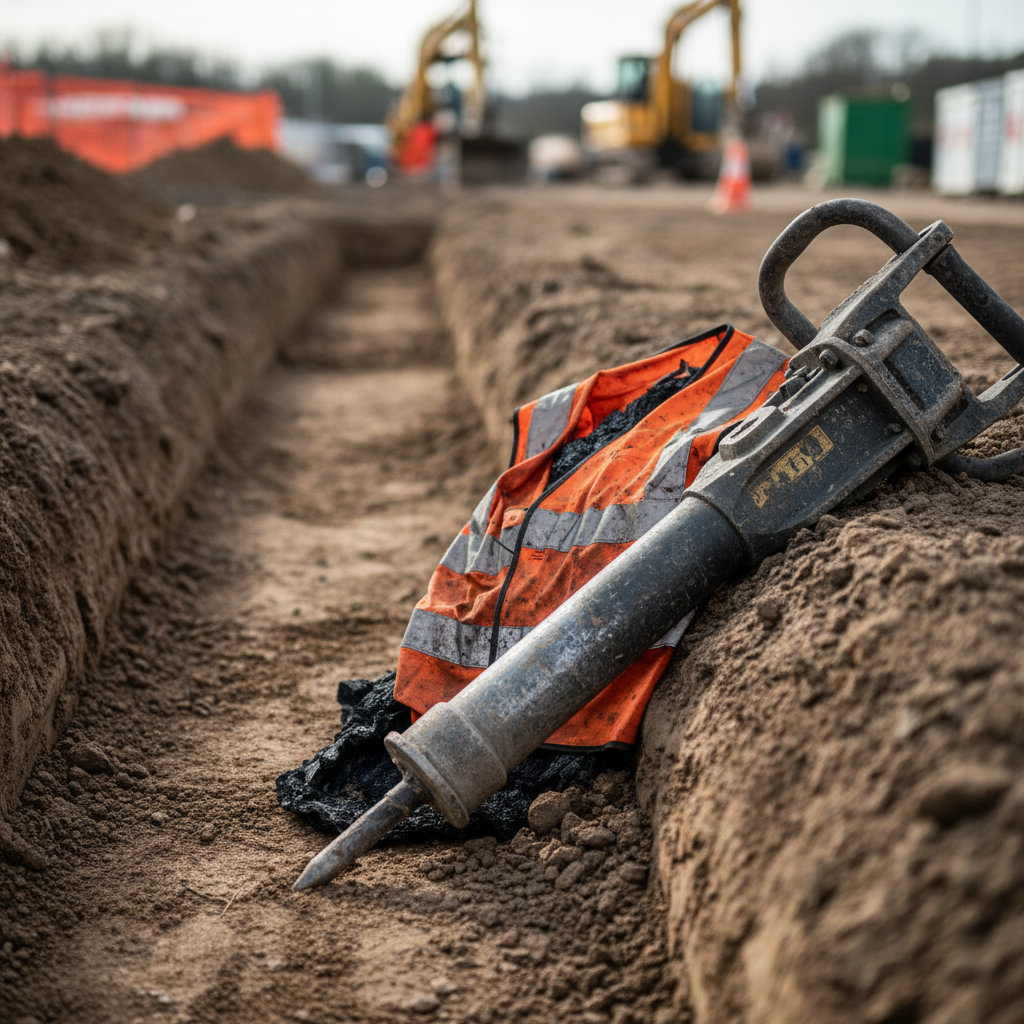
Cable strikes are a high frequency risk for groundworks, fencing, and landscaping contractors. The financial penalty handed down at Warrington Magistrates Court on 26 May 2026, which included £5,487 in costs for breaching Regulation 25(4) of the Construction (Design and Management) Regulations 2015, demonstrates the HSE's hard line on inadequate site preparation. The regulator released graphic images of the worker's scorched high-visibility vest following the prosecution to underline the severity of the hazard.
What contractors should do now
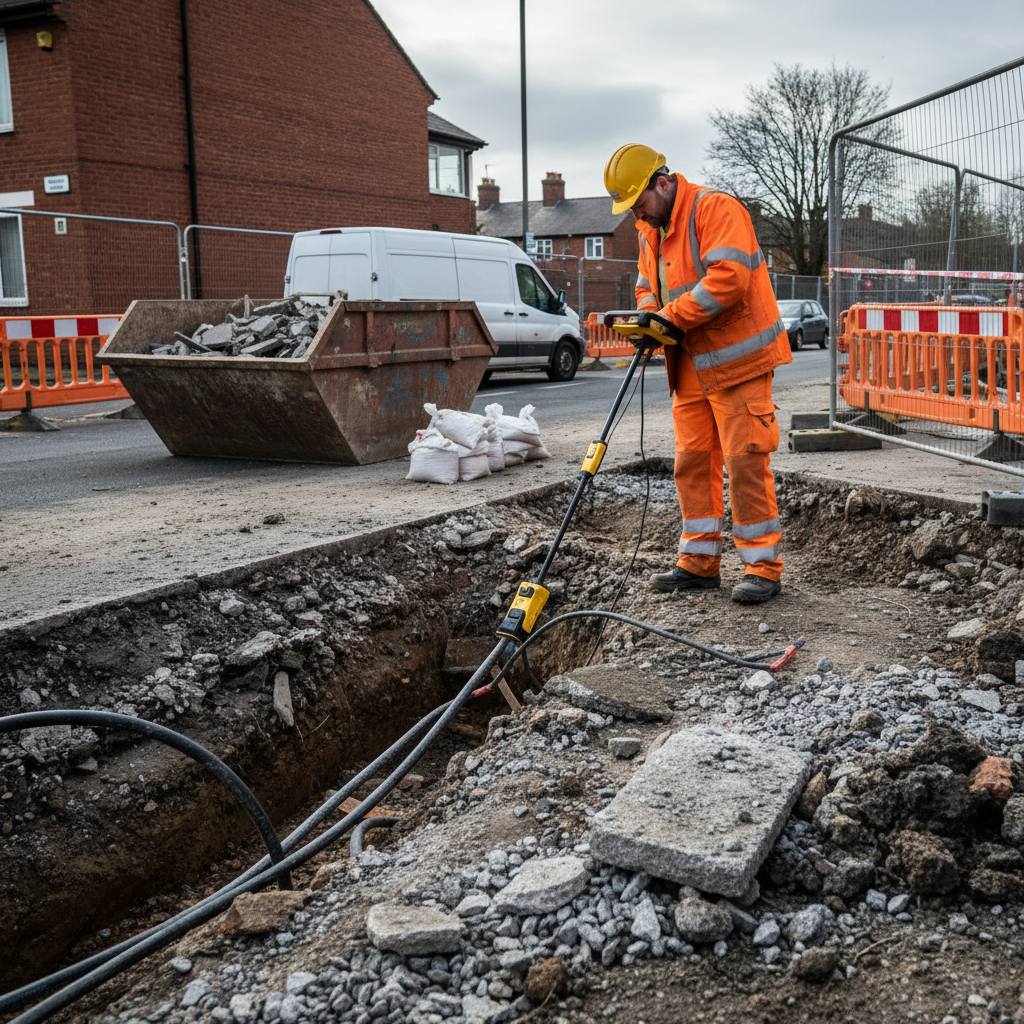
Contractors undertaking any form of excavation must adhere to safe digging practices. This requires a three-step process: obtaining service plans before work starts, using a competent person with appropriate locating devices to trace and mark cables, and employing safe digging techniques. Assuming a site is clear of services without physical verification is a direct breach of safety duties.
Analysis
The failure to locate underground utilities remains an entirely avoidable hazard. The HSE investigation revealed a basic breakdown in pre-start planning. Even shallow excavations, such as those required for fence posts, demand rigorous utility mapping. The inspector handling the case stressed that underground services are widespread and pose a significant, potentially fatal risk if safe systems of work are ignored.
What happens next
Enforcement around utility strikes is expected to remain a priority for the HSE, particularly on small commercial and domestic sites where planning is often less formalised. HSE inspector John Padfield stated that while the operative suffered severe burns, the outcome could have been fatal. Contractors failing to use basic detection equipment will continue to face prosecution, even if no injury occurs, under the strict liability of the CDM Regulations.
Sources
- HSE Media Centre — Health and Safety Executive
- Manchester Evening News — Reach plc