By Marcus Hale · Published 30 May 2026 · 3 min read
Fencing contractor prosecuted after worker burned in cable strike
Liverpool-based City Fencing Contractors Limited has been fined £10,000 after an employee suffered severe electrical burns from striking a live underground cable. The firm pleaded guilty to breaching Regulation 25(4) of the Construction (Design and Management) Regulations 2015 at Warrington Magistrates' Court on 26 May 2026. The prosecution serves as a stark reminder that regulators will heavily penalise fundamental failures in safe digging practices.
Background
The incident occurred on 21 May 2024 at a construction site on Meade Hill Road in Manchester. Paul Taylor, 59, was part of a team installing security fencing at the Meade Hill Shul synagogue. While using a breaker to prepare the ground for metal posts, he struck a live underground cable. The resulting electric shock caused multiple burn injuries to his stomach, chest, and arms. Health and Safety Executive inspectors discovered that the fencing firm commenced digging operations without taking fundamental measures to locate buried utilities or review site plans. The company was ordered to pay an additional £5,487 in prosecution costs.
Industry implications
Regulation 25(4) of the Construction (Design and Management) Regulations 2015 explicitly mandates that excavations must not be carried out unless suitable and sufficient steps have been taken to identify and prevent risks from underground cables and pipes. This prosecution highlights a recurring issue in the fencing and groundwork sectors, where small-scale excavations are frequently treated with insufficient caution. Striking underground infrastructure carries a severe risk of explosion, electrocution, and fatal injury. Subcontractors cannot rely on principal clients to map utility hazards, they must actively verify the presence of services before breaking ground.
What contractors should do now
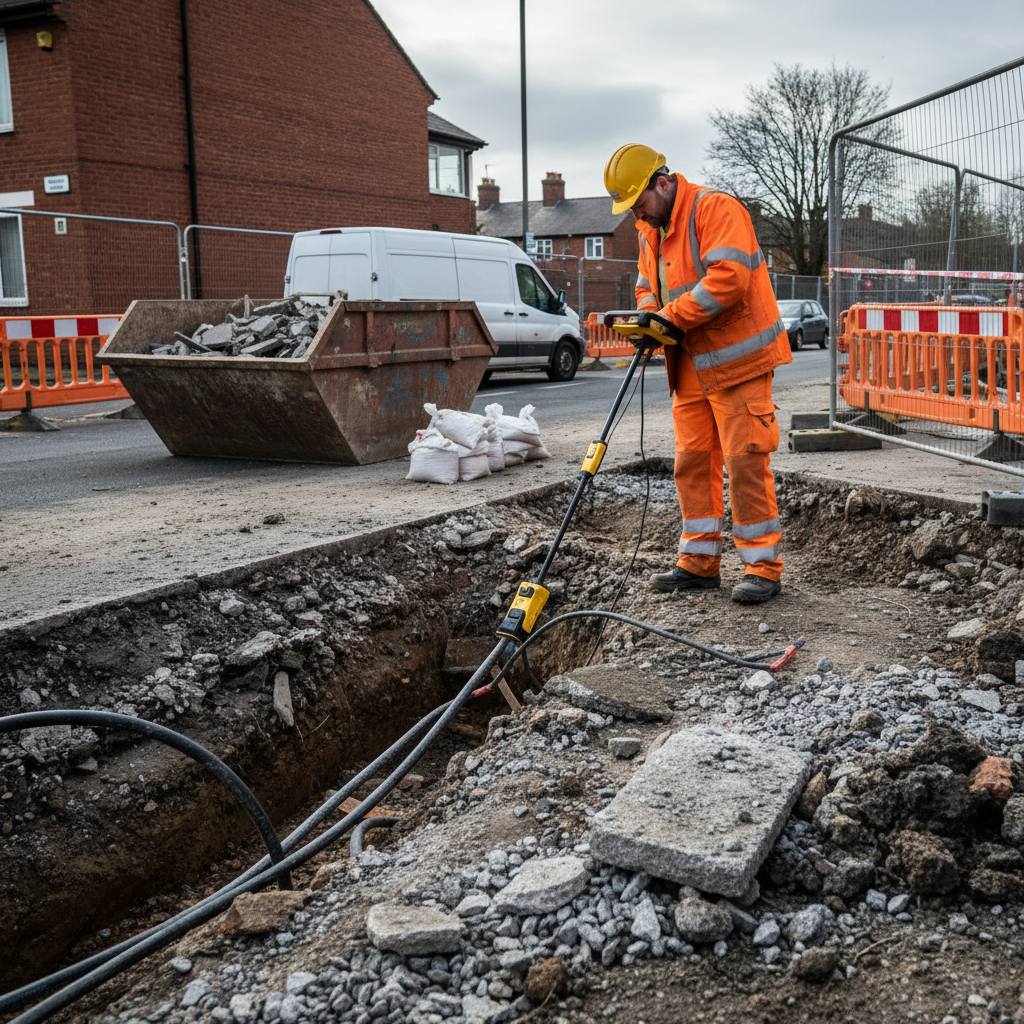
Before any excavation begins, contractors must obtain up-to-date service plans from utility providers. Sites must be physically scanned using cable avoidance tools and signal generators by trained operatives. Safe digging practices, such as hand-digging trial holes, must be implemented to visually confirm the exact depth and location of known services. Site managers should ensure that all operatives using breakers or mechanical diggers have reviewed the utility survey drawings.
Analysis
HSE Inspector John Padfield stated that underground services are widespread and represent a significant, often hidden hazard. "On this occasion, an electrical cable was struck and an operative suffered severe burns," Padfield noted. "However, it could have been much worse and potentially fatal. Had the company implemented an effective safe system of work following HSE guidance, this incident would not have occurred". The £10,000 penalty for a specialist contractor reflects the courts' willingness to issue punitive fines for fundamental planning failures. It highlights a strict enforcement approach to blind digging in the current regulatory climate.
What happens next
Groundwork contractors can anticipate heightened scrutiny regarding pre-construction information. Principal designers and clients will likely enforce stricter vetting of site investigation reports and utility surveys before authorising the commencement of earthworks on new sites. The Health and Safety Executive will continue targeting street works and fencing projects to verify compliance with safe digging guidance.
Sources
- HSE Media Centre — Health and Safety Executive
- Construction Enquirer — Construction Enquirer