By Marcus Hale · Published 6 June 2026 · 3 min read
BSR Gateway 2 Approvals Hit 75% as Remediation Backlog Shrinks
The Building Safety Regulator has approved 75% of Gateway 2 building control applications over the 12 weeks to 30 May 2026. The latest performance data, released on 4 June, also shows the 12-week approval rate for external remediation schemes rising to 79%. This figure comfortably exceeds the regulator's minimum end-of-year target of 65%. Across all categories, the BSR made 358 Gateway 2 decisions during this period, covering applications for nearly 15,000 residential units.
Background
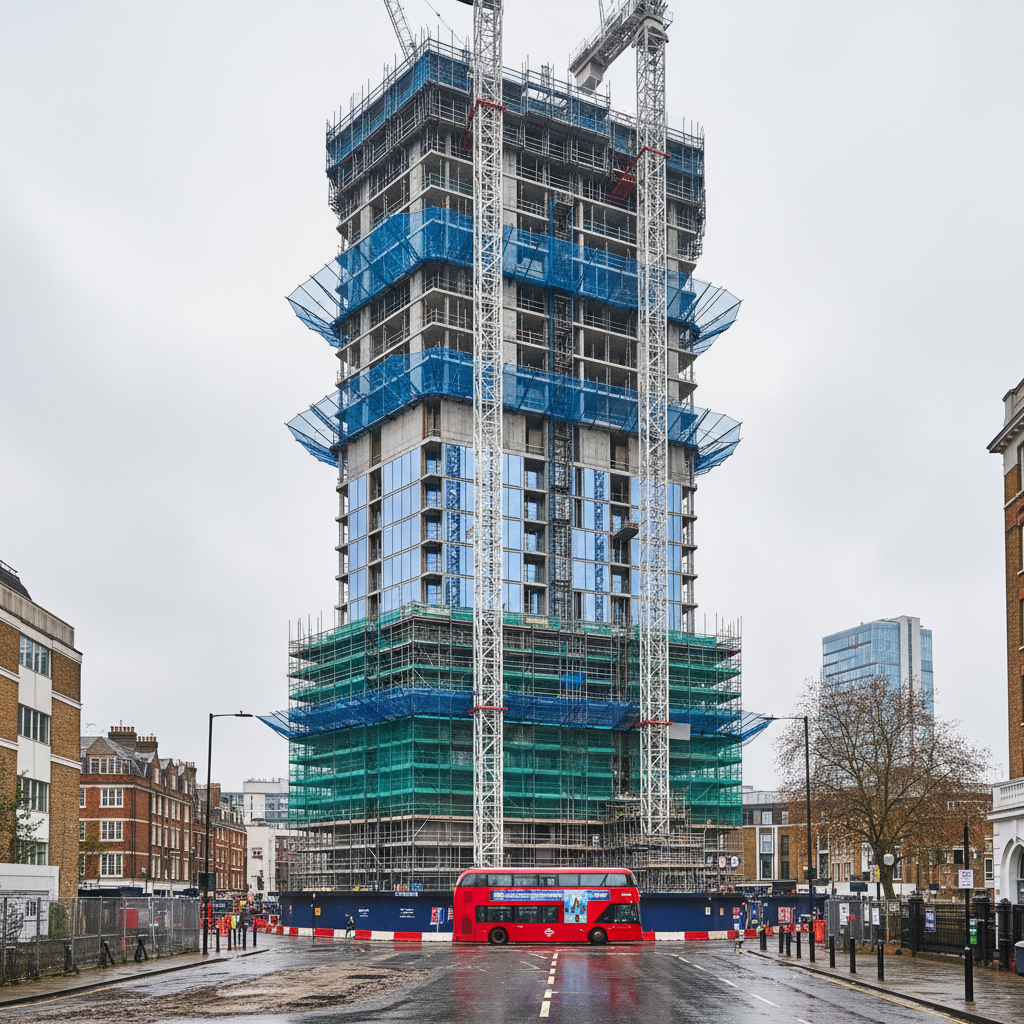
Following post-Grenfell changes enacted through the Building Safety Act 2022, all structural work or new construction involving higher-risk buildings over 18 metres or seven storeys must pass through the BSR. Initially, the regulator faced heavy criticism from developers and contractors over high rejection rates, lack of clarity, and sluggish processing times. In response, the BSR launched an External Remediation Improvement Plan in April 2026. This initiative introduced dedicated multidisciplinary teams and a new batching process designed to accelerate assessments and clear historical bottlenecks.
Industry implications
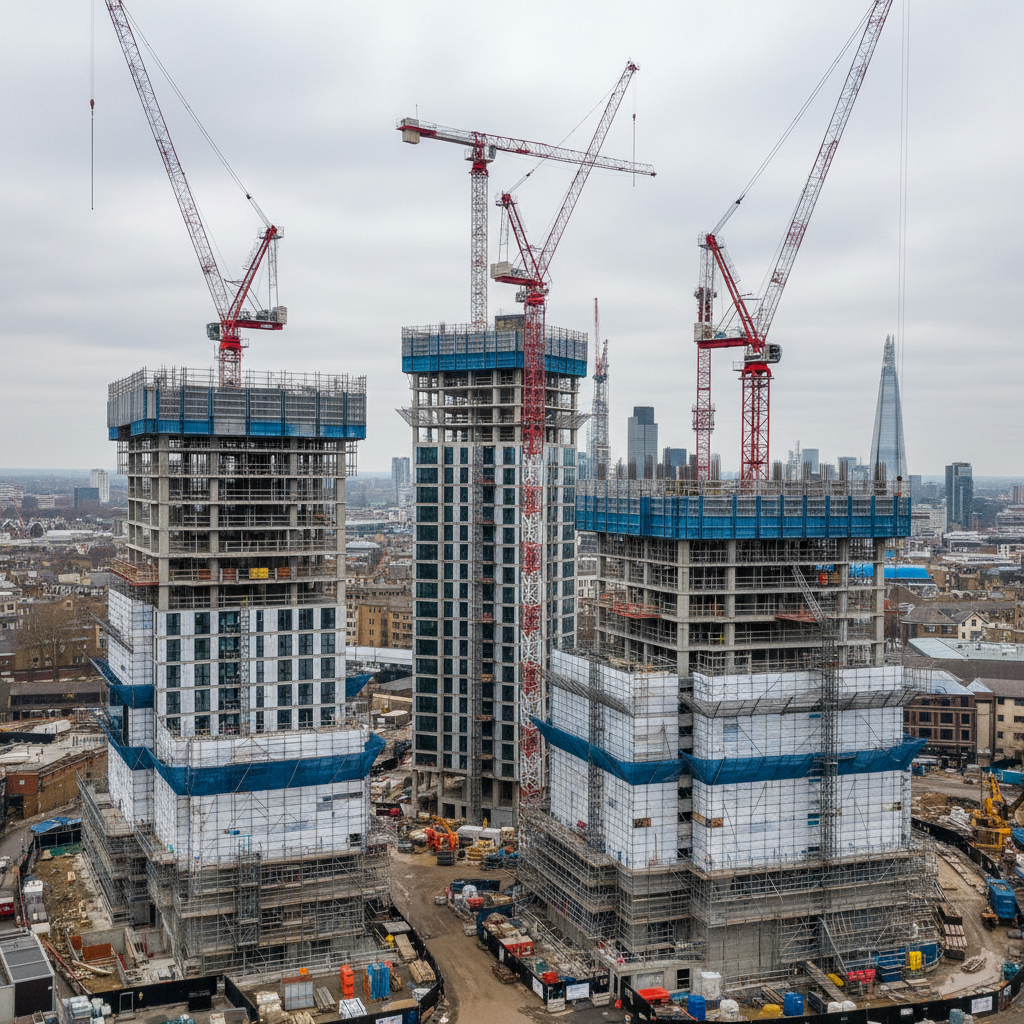
Faster turnaround times provide vital commercial certainty for developers and principal contractors operating in the high-risk building sector. The median approval time for complex remediation applications now sits at 39 weeks. For new build applications handled by the BSR Innovation Unit, the success rate is even higher. The unit approved 90% of its cases, green-lighting 28 out of 31 applications over the last three months. London-based projects dominated the BSR caseload, accounting for 65% of all Gateway 2 decisions. Notably, London applications processed by the Innovation Unit secured a flawless 100% approval rate during this 12-week window.
What contractors should do now
Principal contractors, clients, and principal designers must continue to ensure their Gateway 2 submissions are comprehensive and entirely accurate before submission. The recent improvement in approval rates is heavily linked to better application quality. Engaging early with the BSR Innovation Unit on complex technical challenges has proven to be a highly effective strategy for reducing rejection risks. Firms should also monitor the BSR closely, as the regulator plans to publish more detailed resources focusing on common issues that lead to rejections in the coming weeks.
Expert view
Charlie Pugsley, acting chief executive of the BSR, welcomed the significantly faster decision times. He noted that the steps taken by the Innovation Unit to work more closely with applicants had led to complex technical challenges being safely resolved. Pugsley stated that this positive engagement has energised a growing number of decisions and rising approval rates. The data clearly demonstrates that applications submitted in 2026 are progressing far more rapidly than those lodged during the initial regulatory rollout.
What happens next
The BSR expects to clear the bulk of its historic application backlog by the end of the summer. Just 16 legacy remediation applications from 2024 remain in the system, down from 42 at the start of the year. Ten of these legacy cases are on track for a final determination by the end of June. Looking further ahead, the BSR will publish new external remediation guidance to support applicants moving through Gateway 2. The construction sector must prepare for continued rigorous enforcement, but these figures suggest the administrative gridlock of the past 18 months is finally easing.
Sources
- BSR releases latest applications progress data — Fire Protection Association