By Sarah Donnelly · Published 13 June 2026 · 3 min read
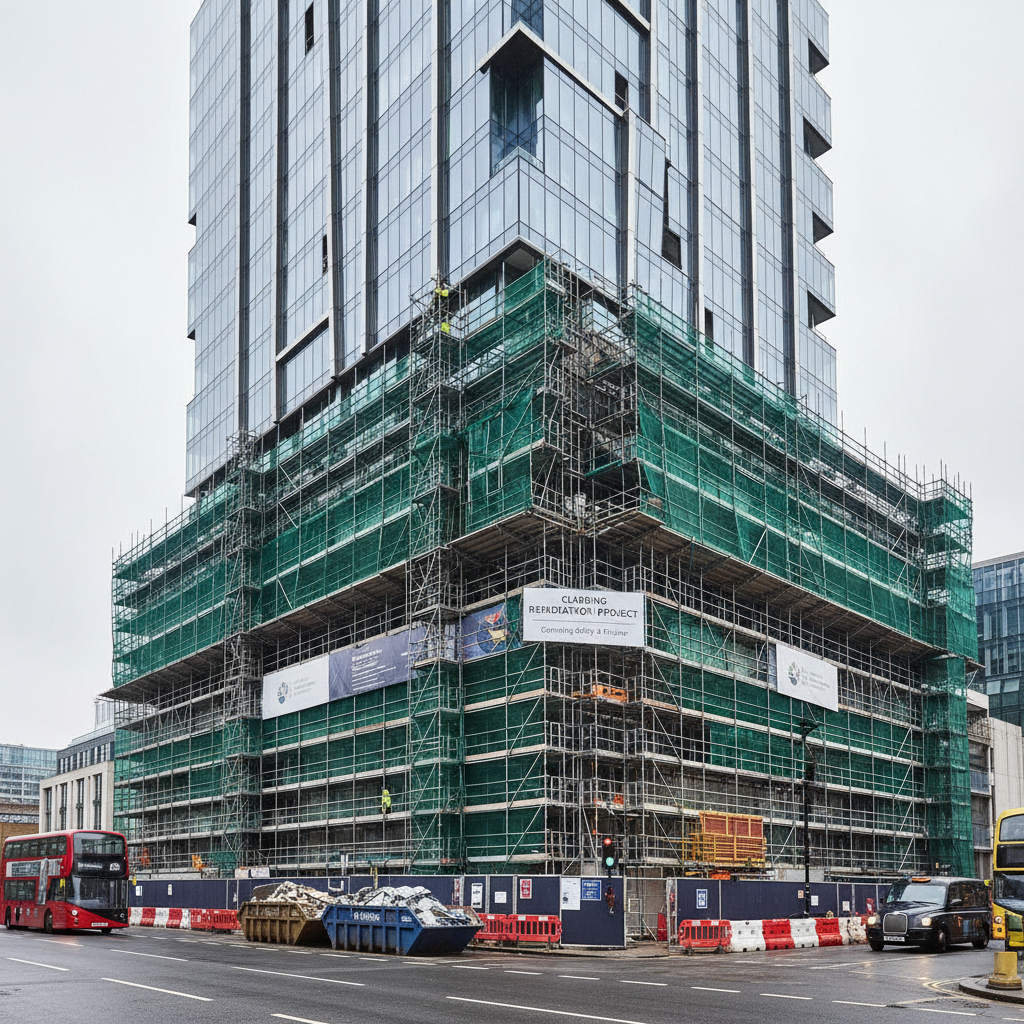
The Building Safety Regulator has reported a marginal increase in building control approvals for higher-risk buildings, making 358 decisions in the 12 weeks to 30 May 2026. This represents a 10 percent rise compared to the previous reporting period. According to the latest data, the regulator determined applications covering 14,928 residential units, with a 64 percent approval rate. The update arrives alongside new guidance from the Construction Leadership Council aimed at reducing Gateway 2 application rejections.
Background
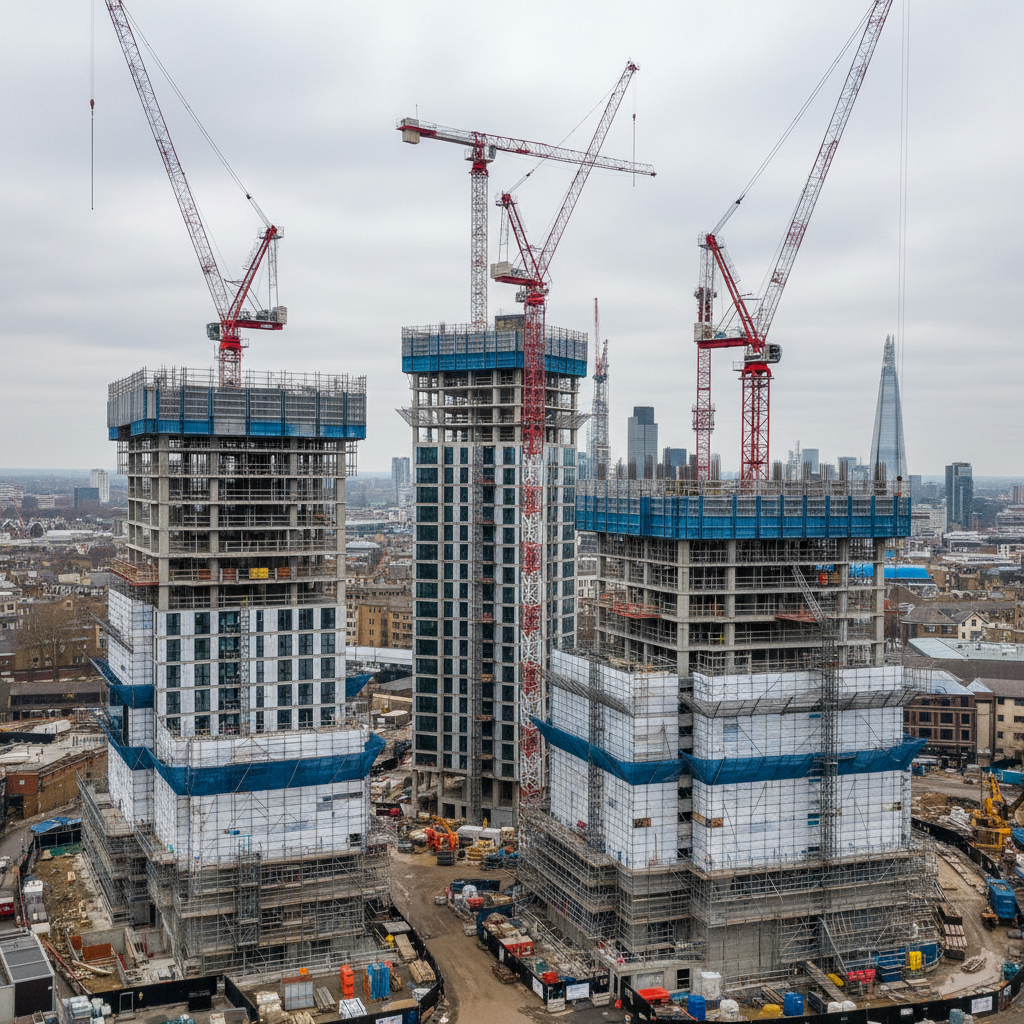
Under the Building Safety Act 2022, developers must secure approval from the Building Safety Regulator before commencing work on residential buildings over 18 metres or seven storeys. Industry groups previously criticised the regulator for missing the statutory 12-week determination target, causing severe delays to high-rise projects. The latest figures show 750 new applications were submitted between March and May 2026, pushing the total number of live applications to 1,445. The regulator has also reduced the number of legacy long-term cases down to five.
Industry implications
While processing speeds are improving, the 36 percent rejection rate for new unit applications indicates that developers are still struggling to meet the required evidentiary standards. Rejections lead to costly holding patterns on site and disrupted supply chain schedules. The median approval time for complex cases currently sits at 33 weeks, far exceeding the initial 12-week target. This extended timeline requires contractors to factor significant regulatory buffer periods into their project programming and financing models.
What contractors should do now
Firms submitting Gateway 2 applications must eliminate gaps in their design coordination. The Building Safety Regulator expects comprehensive evidence of risk assessment, particularly regarding structural and fire safety. Contractors should utilise the two new guidance notes published by the Construction Leadership Council in June 2026. These cover the Fire and Emergency File and the Building Regulations Compliance Statement. Ensuring these documents are fully detailed prior to submission will reduce the likelihood of a rejection.
Analysis
The data suggests the regulator is finally working through the initial bottleneck of applications, particularly those submitted in late 2024 and early 2025. Dr David Crosthwaite, chief economist at BCIS, noted that application processing at the BSR continues to show signs of improvement. However, the high volume of live applications means the system remains under heavy strain. The reliance on a specific innovation unit to handle complex cases shows an adaptation to the technical challenges of the new regime, but the sector is still adjusting to the strict requirements of the Building Safety Act.
What happens next
The regulator expects to clear a further 10 legacy applications from 2024 by the end of June 2026. Moving forward, the focus will shift heavily towards Gateway 3, the final completion certificate phase. Very few projects have completed this stage under the full new regime. Tim Galloway from the Building Safety Regulator recently warned that clients must set clear expectations for as-built information to avoid further delays at handover.
Sources