By Fiona Bradley · Published 15 June 2026 · 3 min read
Background
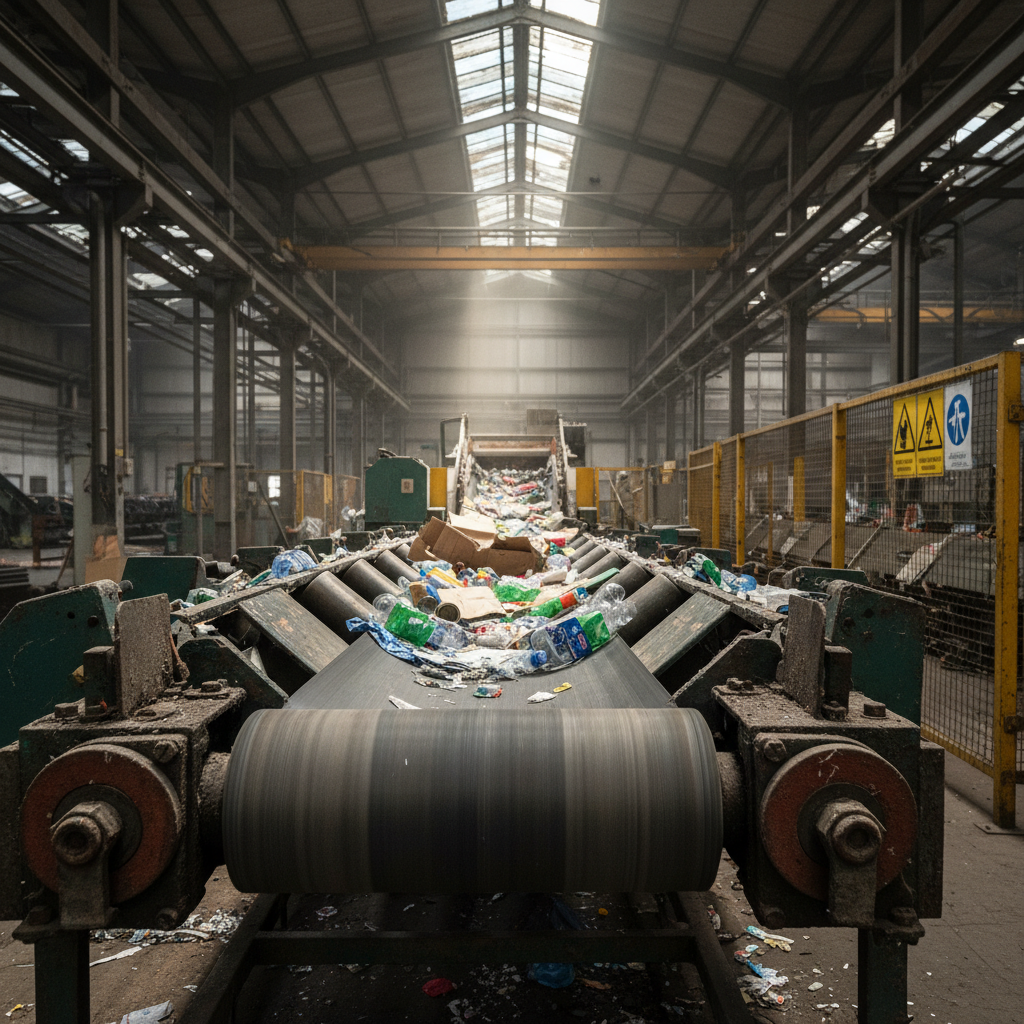
An investigation by the Health and Safety Executive found that Bateman Skips Ltd completely failed to prevent access to dangerous moving parts. The company had not implemented a safe system of work, such as proper isolation or lock-out procedures, for clearing blockages on the plant. The injured worker suffered serious bone fractures, severe lacerations, nerve damage, and a fractured rib. In a victim personal statement read to the court, the operative described the incident as the most traumatic experience of his life, leaving him unable to enjoy basic hobbies or physical activities with his family.
Industry implications
The prosecution serves as a strict reminder of the Provision and Use of Work Equipment Regulations 1998. Bateman Skips Ltd pleaded guilty at Bristol Magistrates Court on 5 June 2026 to breaching Regulation 11 of PUWER and Section 2 of the Health and Safety at Work Act. Alongside the heavy £64,666 fine, the firm was ordered to pay £4,657 in prosecution costs. This level of financial penalty reflects the severe physical toll on the worker and the entirely foreseeable nature of the hazard.
What contractors should do now
Site and facility managers must urgently review machinery guarding across all static plant and conveyors. Companies must implement mandatory lock-off procedures for maintenance and blockage clearance. All operatives require documented training on safe intervention methods that completely separate them from moving components. The regulator's guidance clearly states that if part of a machine could present a reasonably foreseeable risk of harm, it is considered a dangerous part and must be physically guarded.
Analysis
Contact with moving machinery remains one of the leading causes of workplace fatalities and serious injuries in the UK construction and waste sectors. Health and Safety Executive enforcement lawyers consistently secure large fines in cases where fundamental mechanical safeguards are missing or bypassed. The failure to provide a safe system for clearing blockages demonstrates a systemic operational flaw, prioritising uptime over basic operative safety.
What happens next
The regulator continues to target the waste, recycling, and materials recovery sectors for proactive inspections. Facility operators can expect intense scrutiny of their risk assessments and physical isolation protocols during any regulatory visit. Sites found operating unguarded conveyor belts will face immediate prohibition notices and severe legal action.
Sources
- Health and Safety Executive — HSE Press Office