By Marcus Hale · Published 15 June 2026 · 3 min read
Background
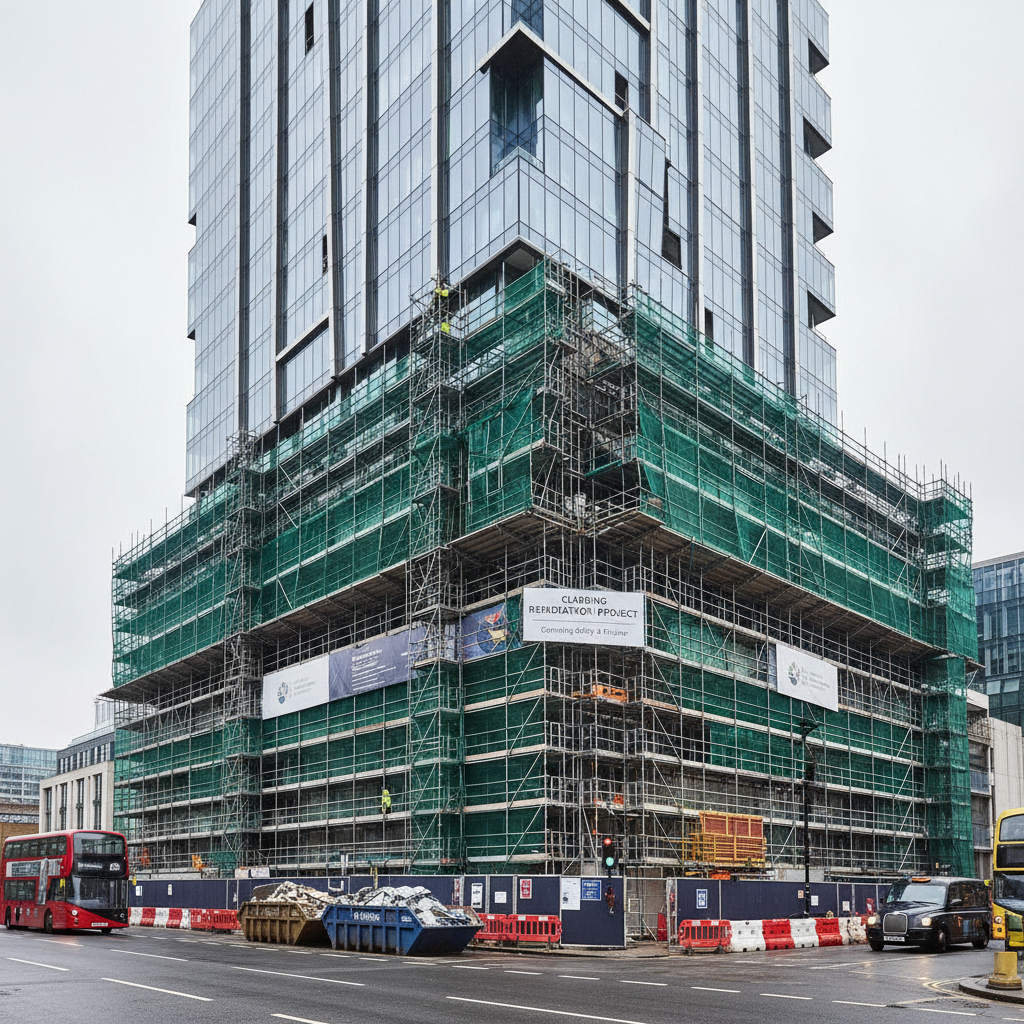
The transition to the new building safety regime caused initial bottlenecks for higher-risk buildings. In December 2025, a House of Lords committee warned that approval delays were disincentivising vital safety upgrades. The latest figures show 750 new applications were submitted during the recent 12-week period, pushing the total number of live applications across all project categories to 1,445. Regionally, London-based projects requiring building control approval currently account for a larger share of all Gateway 2 applications than those from the rest of England combined.
Industry implications
Faster processing times provide greater commercial certainty for developers and remediation contractors. The median approval time for older remediation applications has fallen to 39 weeks. However, out of 14,928 residential units determined recently, only 64 percent received approvals. This indicates that a significant volume of submissions still fail to meet the required safety thresholds, leading to costly project delays and necessary redesigns before work can commence.
What contractors should do now
Applicants must improve the quality of their Gateway 2 submissions to avoid rejection. The Construction Leadership Council published new guidance in June 2026 covering the Fire and Emergency File and the Building Regulations Compliance Statement. Project teams should use this guidance to clearly articulate their design and technical approach. Submissions must provide comprehensive evidence of risk assessment, particularly in relation to fire strategies and structural safety compliance.
Expert view
Dr David Crosthwaite, chief economist at BCIS, noted that application processing at the regulator continues to show definitive signs of improvement. The regulator itself confirmed that applications submitted in late 2025 are progressing much faster than earlier cohorts, reflecting a growing understanding of the regime's strict evidence requirements. The focus remains on driving cultural change, moving the industry away from rushed applications towards fully realised, compliant designs prior to submission.
What happens next
The regulator expects to clear the remaining 16 legacy applications from 2024 by the end of June 2026. As the backlog clears, industry attention will increasingly shift toward Gateway 3 completion certificates. The regulator is preparing to assess how safety information is handed over for occupation, meaning principal contractors must ensure the golden thread of information is meticulously maintained throughout the construction phase.
Sources
- Building Cost Information Service — BCIS
- Gov.uk — HM Government