By Sarah Donnelly · Published 15 June 2026 · 3 min read
Background
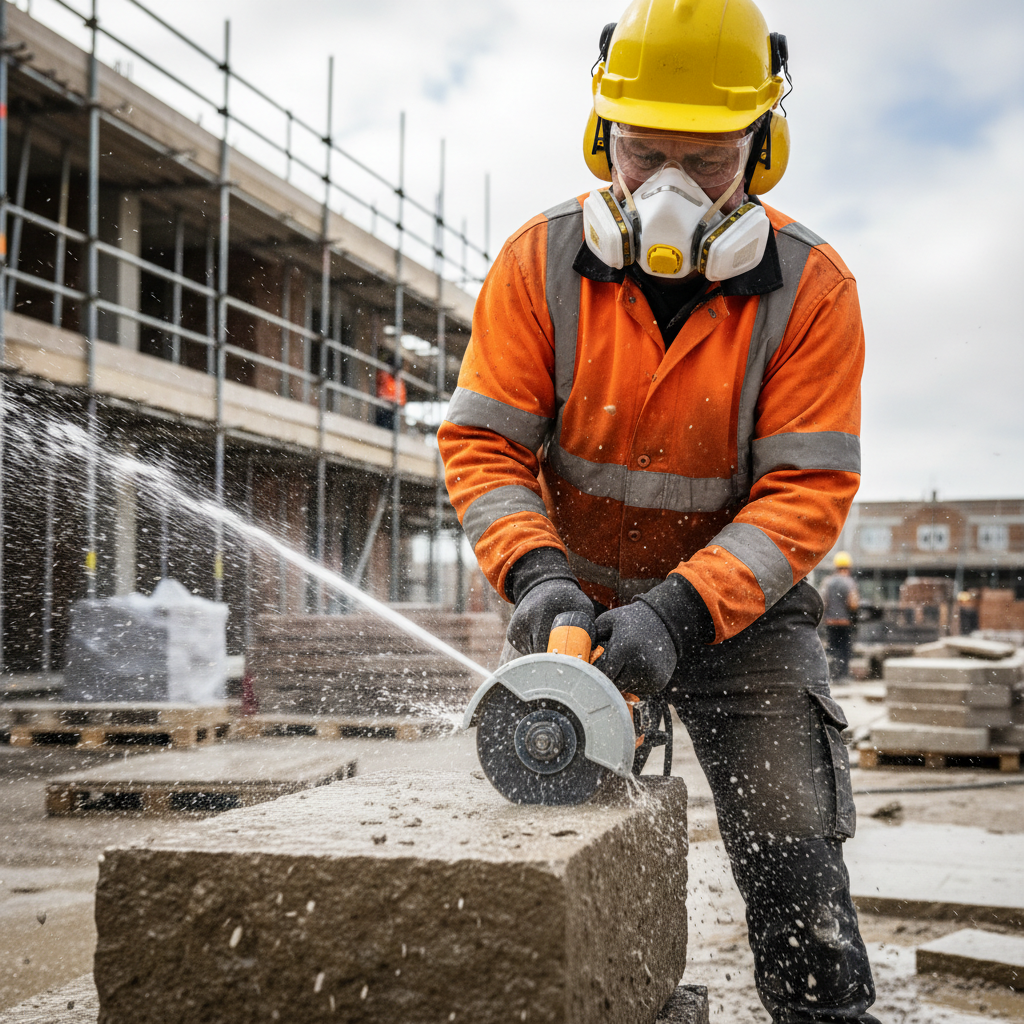
The Health and Safety Executive has updated its operational guidance to classify the dry cutting of high-silica engineered stone as totally unacceptable. Water suppression is now a strict legal requirement. Employers must also use control mist, supply appropriate respiratory protective equipment, and conduct regular health surveillance. The warning comes shortly after the government rejected a complete ban on the material during a parliamentary debate on 3 June 2026, opting instead for rigid enforcement of existing Control of Substances Hazardous to Health regulations.
Industry implications
A Prohibition Notice carries immediate commercial risks for principal contractors. Site shutdowns lead to delayed practical completion, breach of contract claims, and spiralling preliminary costs. Smaller firms relying on sub-contracted stone fabricators are particularly exposed if they fail to check cutting methods at the site gate. Brian Berry, Chief Executive of the Federation of Master Builders, noted that if a firm is caught cutting engineered stone dry, the site could be shut down immediately, warning builders to comply now or risk facing the consequences.
What contractors should do now
Site managers must update all Construction Phase Plans to explicitly ban the dry cutting of engineered stone. Contractors need to audit cutting stations immediately to ensure functioning water suppression systems and correct FFP3 masks are in active use. Subcontractors arriving without wet-cutting equipment must be turned away. Additionally, principal contractors should demand documented evidence of mandatory face-fit testing and maintenance logs for water suppression tools before allowing any stone fabrication on site.
Analysis
The plan to inspect 1,000 sites over the next 12 months represents a significant shift from advisory notices to hard enforcement regarding occupational lung disease and silicosis. While Australia has moved to ban engineered stone entirely, the UK government believes strict regulation is the correct approach. This places the burden entirely on site management. The Federation of Master Builders remains concerned that many smaller domestic builders are unaware of the severity of the new enforcement drive.
What happens next
With global demand for engineered stone projected to grow by 46 billion dollars by 2033, the regulator's inspection programme will likely escalate. Contractors can anticipate inspectors demanding immediate demonstrations of wet-cutting procedures during any routine visit. Sites found lacking will face immediate work-stoppage orders, followed by formal investigation and potential prosecution for failing to control hazardous workplace dust.
Sources
- British Safety Council — British Safety Council