By Sarah Donnelly · Published 8 November 2026 · 3 min read
A North East building contractor has been fined £20,000 after a 24-year-old bricklayer suffered serious spinal injuries when he fell through a fragile barn roof. The incident underscores the persistent danger of poorly planned work at height in the agricultural and refurbishment sectors.
Background
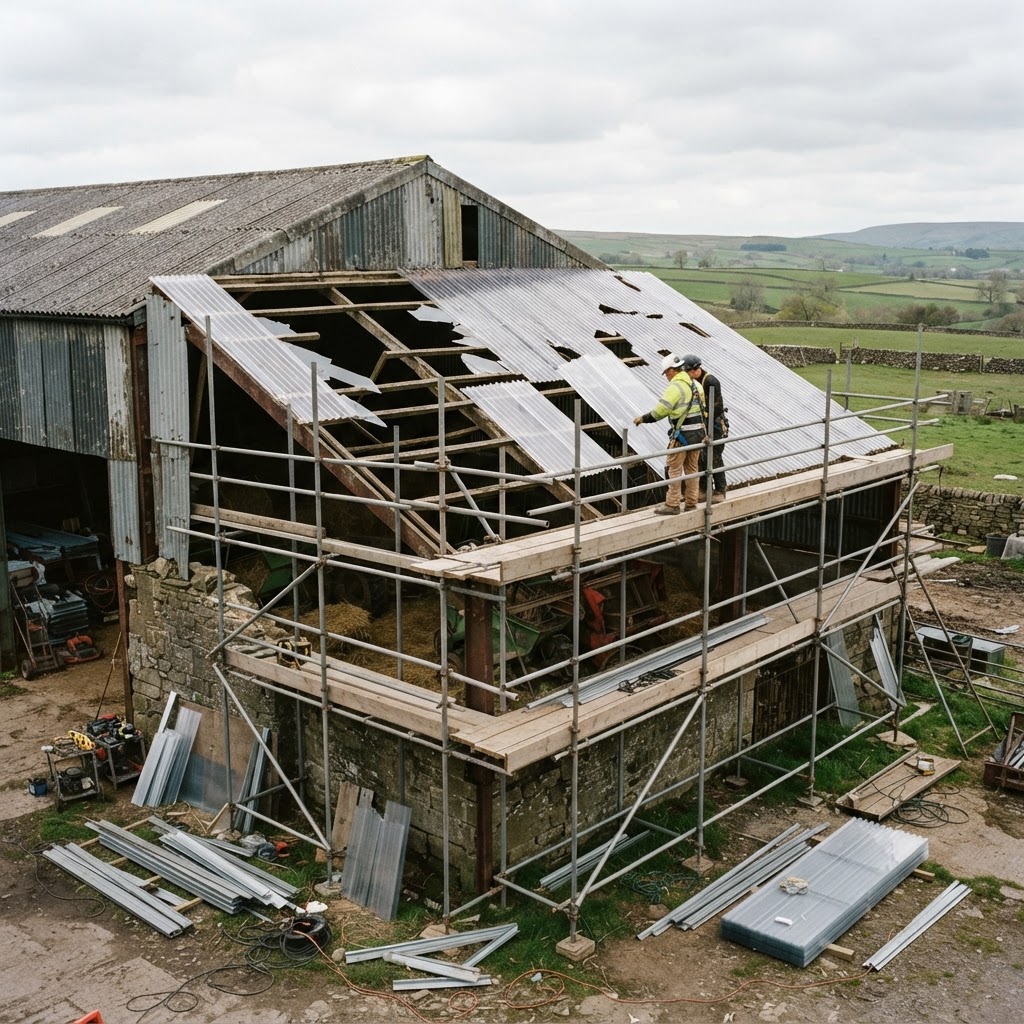
The worker was carrying out repairs to a barn roof at a farm in Northumberland when the incident occurred. He stepped onto a fragile polycarbonate roof sheet and fell approximately eight feet onto the concrete floor below. The fall resulted in two broken vertebrae in his back and a fractured sternum, injuries that required surgical intervention. An investigation by the Health and Safety Executive (HSE) found that Len Smith & Son Building Contractors Limited had failed to implement adequate measures to protect employees working at height. The regulator discovered there was no risk assessment or safe system of work in place for the roof repairs.
Industry implications
Falls from height remain the leading cause of workplace death and injury in the UK construction sector. According to the latest HSE statistics, falls accounted for over a quarter of all work-related deaths in 2025/26. Len Smith & Son Building Contractors Limited, based in Beadnell, Northumberland, pleaded guilty to breaching Sections 2(1) and 3(1) of the Health and Safety at Work etc. Act 1974. At North Tyneside Magistrates Court on 6 August 2026, the company was fined £20,000 and ordered to pay £5,744 in costs. This ruling highlights the severe legal consequences for firms that neglect basic planning requirements for temporary works and roof access.
What contractors should do now
Employers must ensure that all work at height is properly planned, supervised and carried out by competent individuals. Before accessing any roof, contractors must conduct a thorough survey to identify fragile materials, such as polycarbonate sheets or asbestos cement. Edge protection, safety nets or fall arrest systems must be installed where the risk of falling cannot be eliminated. Site managers must provide clear, written safe systems of work and ensure all operatives are briefed on the specific hazards of the structure. Never assume a roof is load-bearing without verification.
Expert view
The lack of a basic risk assessment for roof work is an unacceptable oversight that regulators will not tolerate. HSE inspector Richard McMullen noted the severity of the breach, stating: "The outcome of this case could have been much worse, but the man's injuries were still very serious." He added that the fatality statistics do not include the individuals who sustain serious, life-changing injuries in falls. The HSE has made it clear that it will prosecute companies that fail to protect people while at work. This case demonstrates that even relatively low falls of eight feet can result in catastrophic, career-ending injuries.
What happens next
The HSE will continue to target work at height during its targeted inspection initiatives. Small and medium-sized contractors undertaking refurbishment or agricultural repairs are particularly vulnerable to enforcement action if they fail to document their safety planning. Companies should expect inspectors to demand immediate access to risk assessments and evidence of operative training during site visits.
Sources
- HSE Media Centre — Health and Safety Executive