By James Whitaker · Published 25 October 2026 · 3 min read
One of Britain's leading steel galvanizers has been fined more than £500,000 after a 33-year-old worker sustained severe injuries from a falling beam. The incident left the man requiring 13 operations and an 11-day stay in intensive care. According to the Health and Safety Executive, the prosecution followed an investigation into the lifting equipment used at the facility.
Background
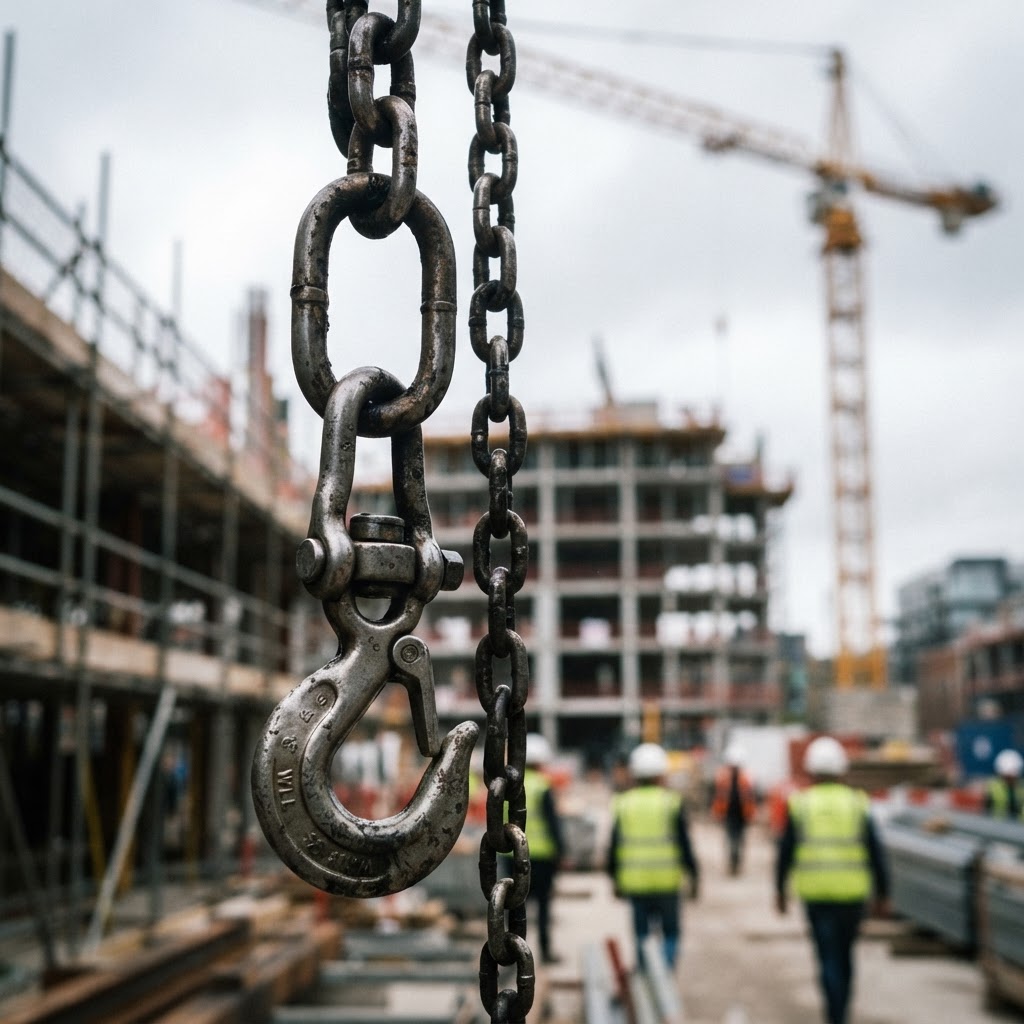
The HSE investigation found that the chains used to lift the steel beam were damaged and deteriorated. The failure of this lifting equipment caused a wave of material that covered the worker. Wedge Group Galvanizing Limited was prosecuted following the incident, which was detailed in a 20 October 2026 press release. The case centres on the failure to maintain critical lifting accessories under the Lifting Operations and Lifting Equipment Regulations 1998. The regulations require all lifting equipment to be of adequate strength and stability for each load.
Industry implications
This prosecution highlights the severe financial and operational consequences of failing to maintain lifting accessories. A half-million-pound fine represents a significant penalty for equipment maintenance failures. It also underscores the strict liability employers hold when managing heavy lifting operations. For principal contractors and site managers, the ruling is a stark reminder that equipment deterioration is not a valid defence in the event of a catastrophic failure. The costs associated with the fine, legal fees, and reputational damage far outweigh the expense of replacing worn chains. Insurance premiums for the firm are also likely to increase substantially following a prosecution of this magnitude.
What contractors should do now
Site managers must immediately audit all lifting chains, slings, and accessories. Any deteriorated equipment must be quarantined and destroyed to prevent accidental use. Companies should also review their statutory inspection schedules to ensure all lifting accessories are thoroughly examined by a competent person every six months. Daily pre-use checks must be enforced, and workers must be empowered to reject damaged equipment without fear of delaying the project schedule. Procurement teams should ensure that replacement chains are sourced only from reputable suppliers with full certification.
Analysis
The HSE is demonstrating zero tolerance for basic maintenance failures that lead to severe injuries. The scale of the fine reflects the life-changing nature of the worker's injuries and the preventable nature of the equipment failure. Enforcement patterns show a clear focus on routine inspection records during site visits. Inspectors are actively looking for evidence that pre-use checks are actually being completed, rather than just being a tick-box exercise. This case aligns with a broader regulatory push to eliminate complacency around routine lifting operations. The courts are clearly willing to apply the definitive guideline for health and safety offences to its full extent when serious harm occurs.
What happens next
The company must pay the fine and associated costs. The HSE is expected to continue its targeted inspections of lifting operations across the manufacturing and construction sectors throughout the winter. Duty holders should anticipate increased scrutiny of their lifting plans and maintenance records during unannounced site visits. Companies that fail to produce valid thorough examination reports can expect immediate enforcement notices.
Sources
- HSE Media Centre — Health and Safety Executive