The Law on PPE
The Personal Protective Equipment at Work Regulations 1992 (updated 2022) require employers to provide suitable PPE to employees free of charge wherever there is a risk to health or safety that cannot be controlled by other means.
Since April 2022, the regulations also apply to limb b workers (self-employed people working under a contract) — not just employees.
What PPE Is Required for Construction?
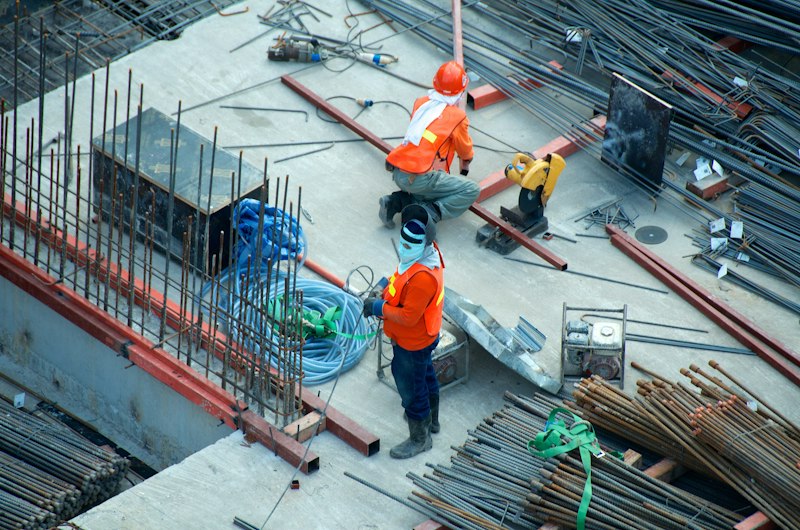
The specific PPE required depends on the task and its hazards, but common construction site requirements include:
| PPE Item | Common Requirement | |---|---| | Safety helmet | Working on site where overhead risk exists | | Hi-vis vest/jacket | Any site with vehicle movements | | Safety boots (toe cap) | Most site work | | Safety glasses/goggles | Cutting, grinding, drilling | | Gloves | Manual handling, chemical exposure | | Ear protection | Noise above 85 dB | | Dust mask / RPE | Cutting masonry, silica dust, asbestos-adjacent work | | Harness / fall arrest | Work at height |
Key Rules
- PPE must be provided free — you cannot charge employees for it
- It must be suitable for the risk (CE/UKCA marked)
- Workers must be trained on how to use and maintain it
- PPE is the last resort — eliminate or reduce the hazard first
- Records should be kept of what PPE is issued
What Happens If You Don't Comply?
Failure to provide adequate PPE can result in:
- HSE improvement or prohibition notices
- Unlimited fines on conviction
- Civil liability if a worker is injured
Practical Tips for Small Contractors
- Keep a simple PPE register for each site
- Include PPE requirements in your RAMS
- Check PPE condition regularly — worn or damaged kit must be replaced
- Brief your workers on why PPE matters, not just what to wear
Include PPE requirements automatically in your RAMS with Site Safety UK.