What Is a RAMS?
RAMS stands for Risk Assessment and Method Statement. It's a combined document that:
- Identifies the hazards involved in a specific task
- Assesses the risk of harm
- Sets out exactly how the work will be carried out safely
Most principal contractors and clients will ask to see your RAMS before you're allowed on site.
Is It a Legal Requirement?
Yes — under the Management of Health and Safety at Work Regulations 1999, all employers (including sole traders with employees) must carry out suitable and sufficient risk assessments. If you have 5 or more employees, these must be written down.
For higher-risk activities, a method statement is also expected as best practice — even if not strictly mandated by law.
When Do You Need a RAMS?
You should always produce a RAMS before:
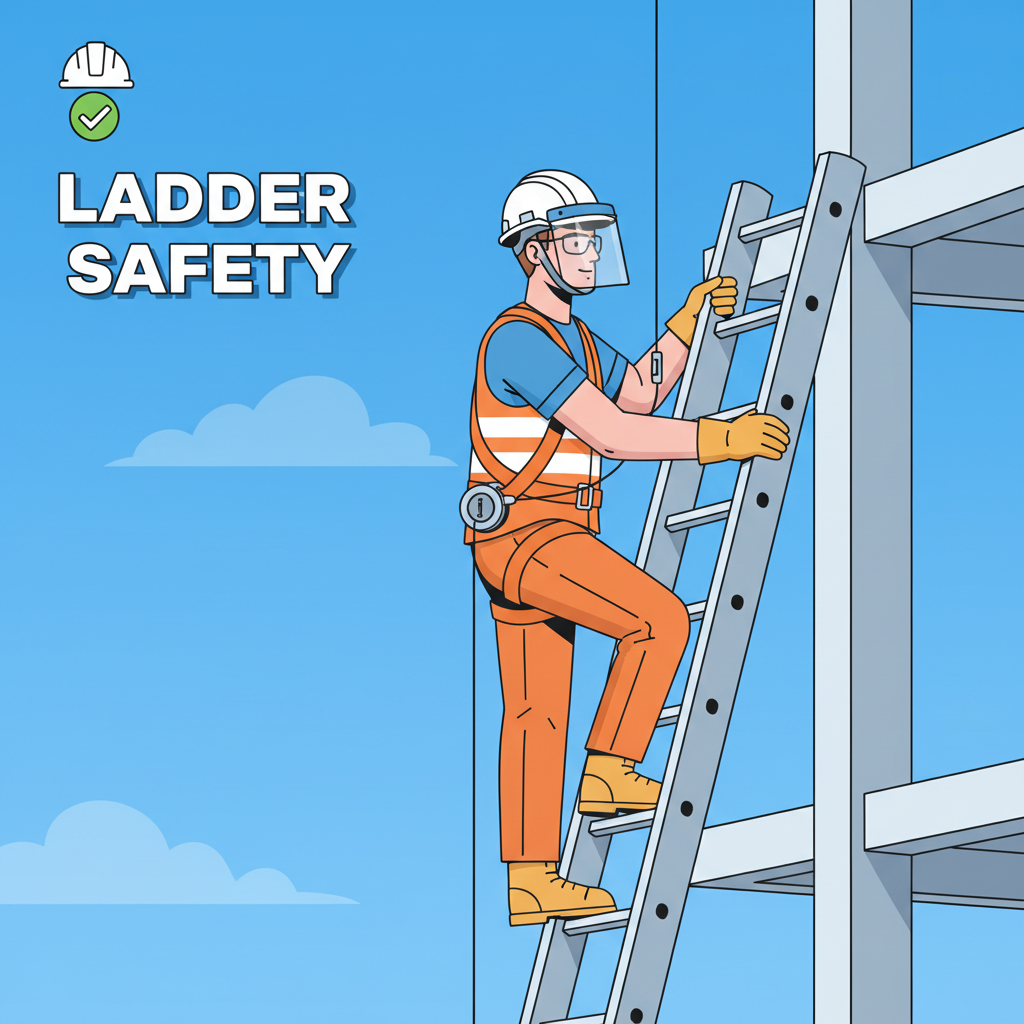
- Working at height (roofing, scaffold erection, guttering)
- Demolition or structural alterations
- Working near live services (gas, electricity)
- Using heavy plant or machinery
- Any notifiable CDM project
- Entering confined spaces
Even for lower-risk tasks, having a RAMS protects you if something goes wrong.
What Happens If You Don't Have One?
If the HSE visits your site and you can't produce a risk assessment, you could face:
- An Improvement Notice
- A Prohibition Notice (shutting down the job)
- Prosecution and fines
- A Fee for Intervention (FFI) charge — currently £163/hour
Principal contractors can also remove you from site for non-compliance.
Key Takeaways
- RAMS are legally required for most construction and trade work
- They protect you, your employees, and your clients
- They must be task-specific — a generic template won't cut it
- Keep them on site and review them if anything changes
Need a RAMS fast? Site Safety UK generates trade-specific risk assessments and method statements in minutes. Start your free trial.